
The Violin: Idiosyncrasies of a Perfect Creation
The Violin: Idiosyncrasies of a Perfect Creation
This time, it is a cinematic attempt—certainly one of many—to contemplate why the violin is considered a perfect object.
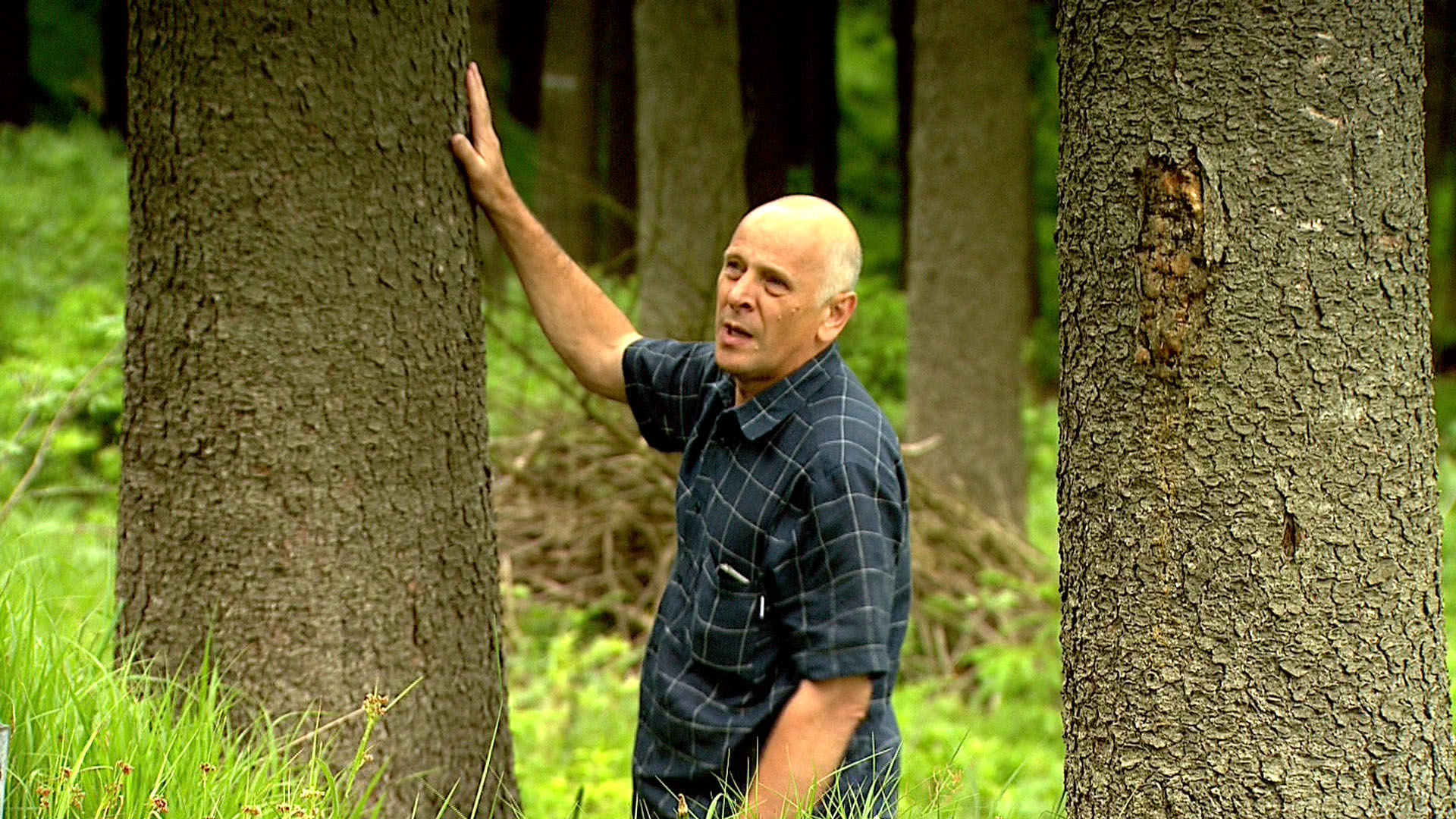
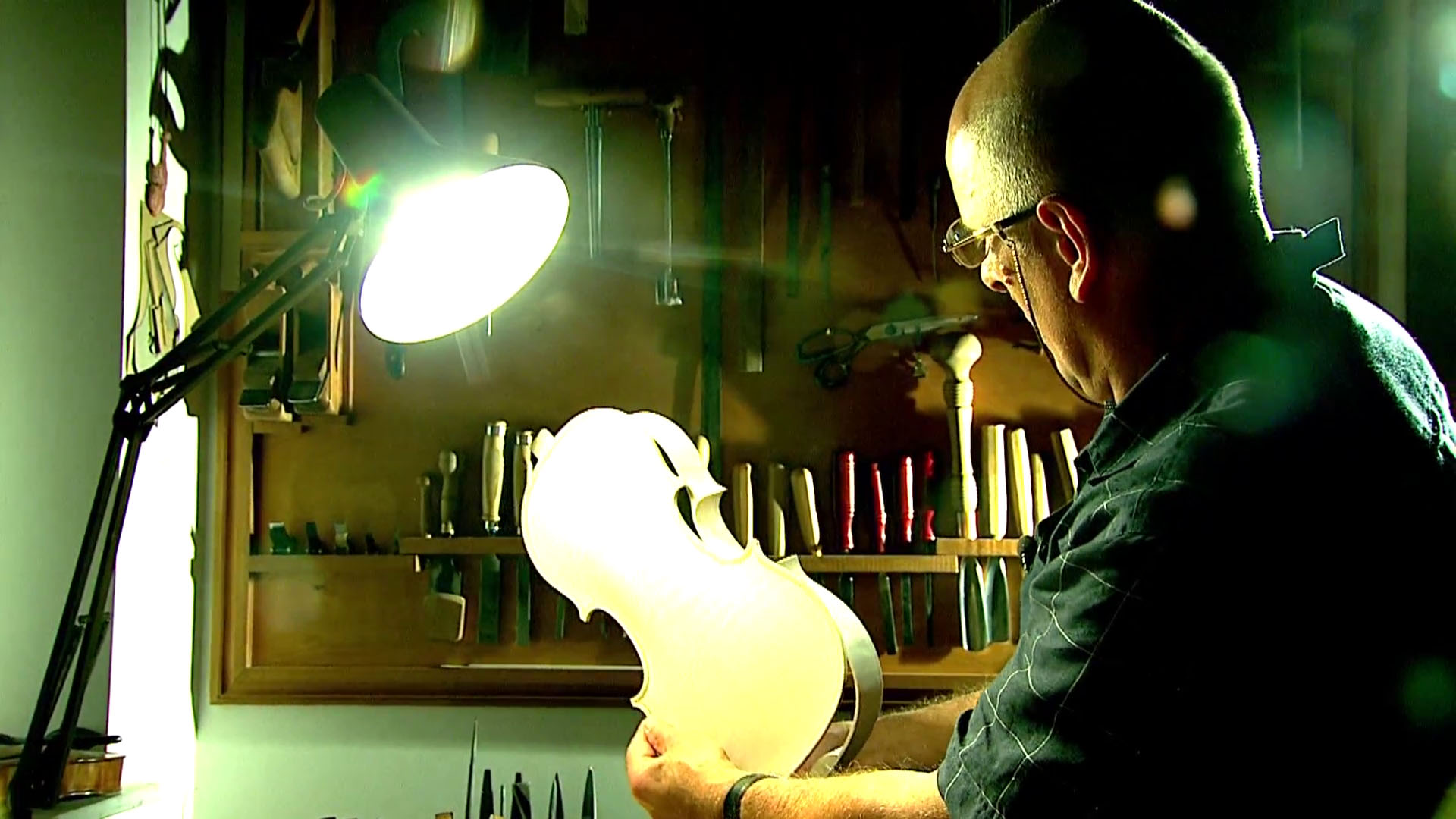
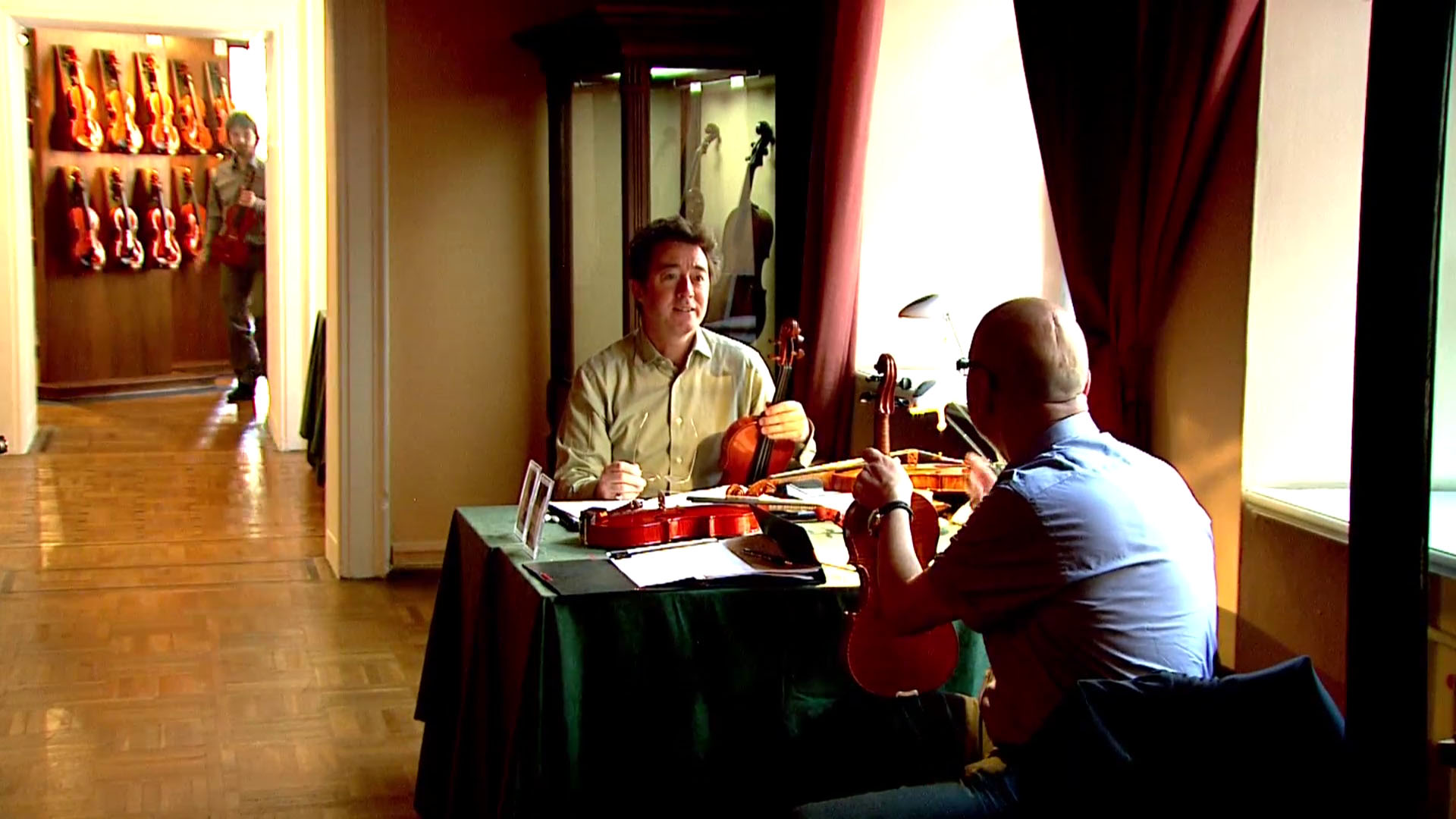
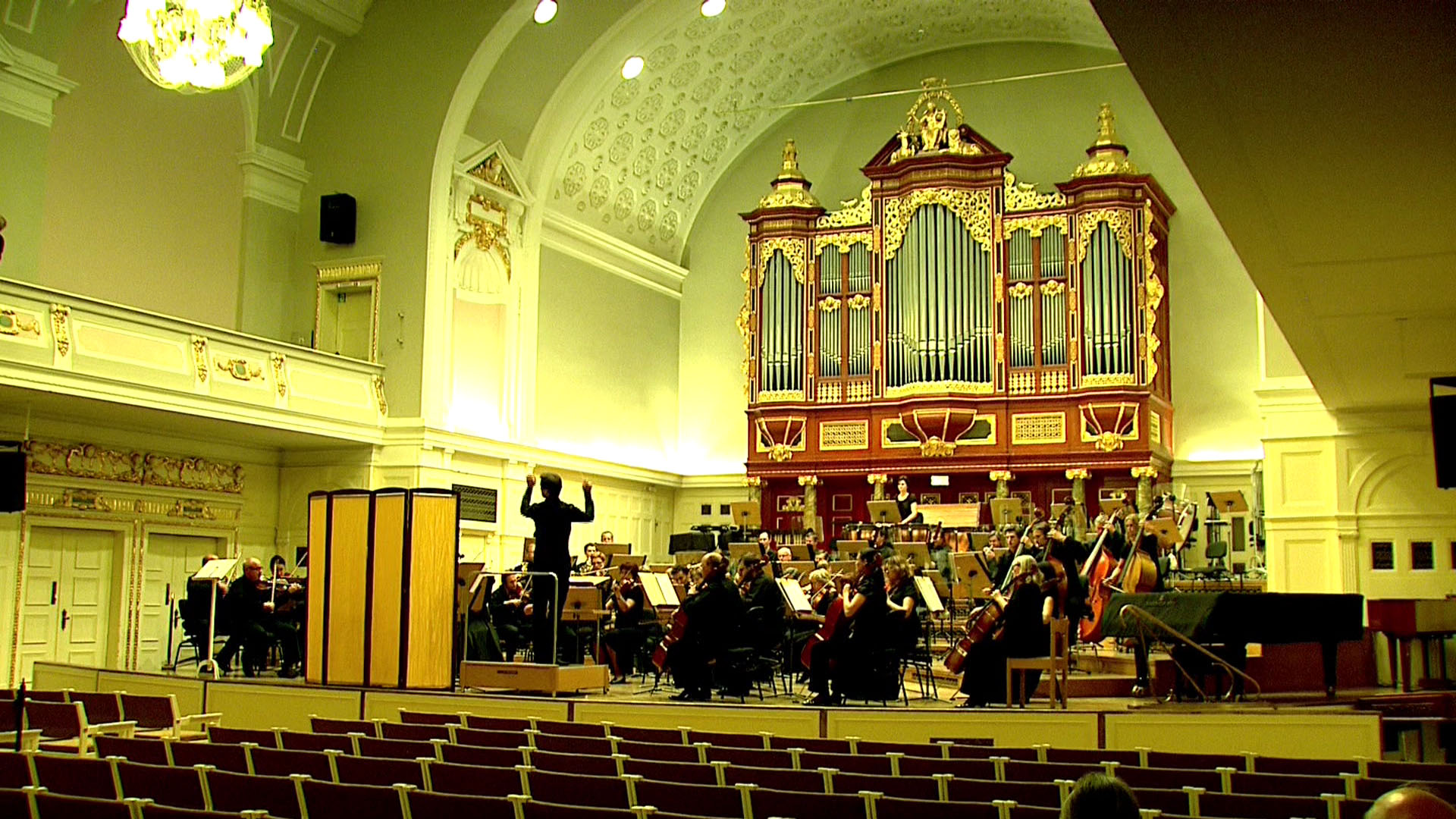
The film was produced in the context of the 12th Henryk Wieniawski International Violin Making Competition, which took place in 2011 in Poznań. Our guides through the world of the violin are Polish luthier Tadeusz Słodyczka and members of the international jury—both violin makers and musicians. The film showcases the art of luthiery alongside a wealth of H. Wieniawski’s music, performed to perfection.
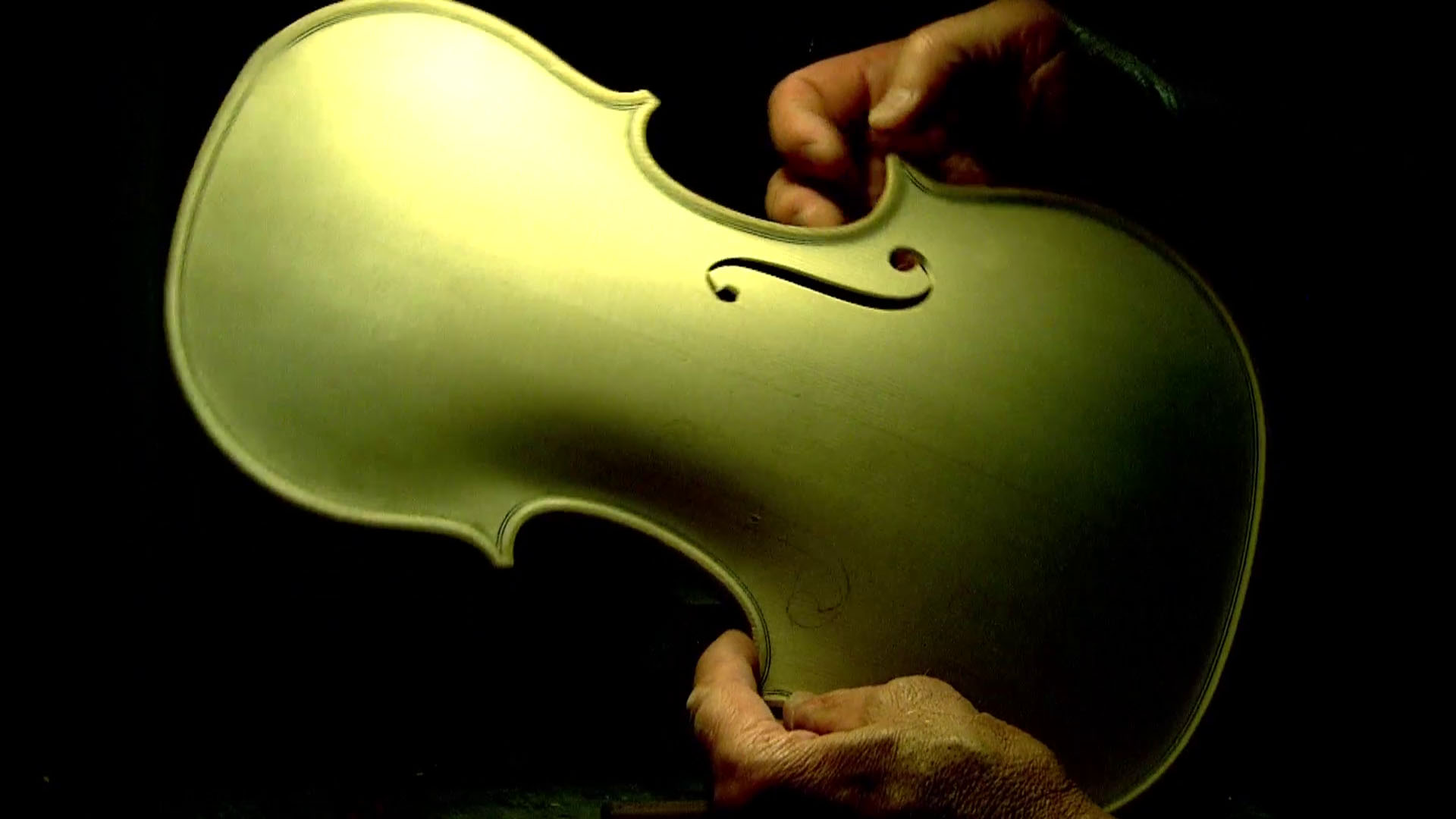
The film „The Violin: Idiosyncrasies of a Perfect Creation„ is another attempt to uncover the mystery of an object that bridges two forms of art: the visual and the musical. One artist crafts them… and they are beautiful. Another artist uses them—plays them—creating additional beauty while simultaneously providing interpretation. A violin that is unappealing in shape or lacks aesthetic refinement usually fails to produce a sound anyone would wish to hear.
All violins are remarkably similar. Often, if they do not resemble the proverbial Stradivarius, musicians cry out: „But Stradivarius didn’t do it that way!”… and so, luthiers continue to craft them just as they did 300 or 400 years ago.
Why is it that in a world where everything can be measured, calculated, and scrutinized down to the atomic structure—a world where all-powerful computers rule—beautifully sounding violins cannot be manufactured in a factory, but must be bought from an artist-luthier?
Why, in a world where perfection is elusive, where individualism is manifested by calling anything „art,” is the violin always made the same way? Why is every single instrument different, yet so similar to the next? Why do we speak of a mystery? And finally, why is it said that they possess something human and inscrutable—the „soul” or „spirit” of the instrument?
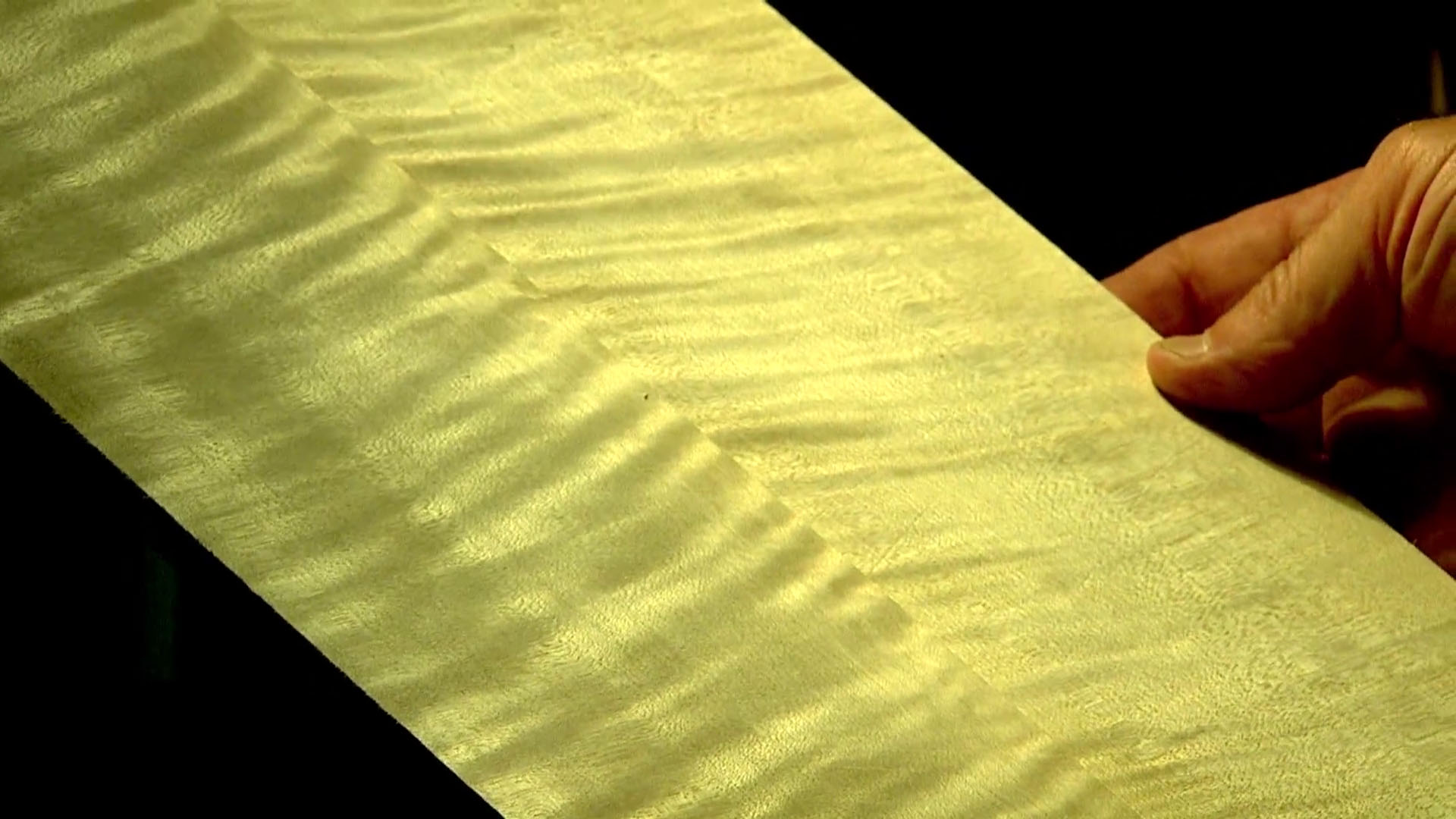
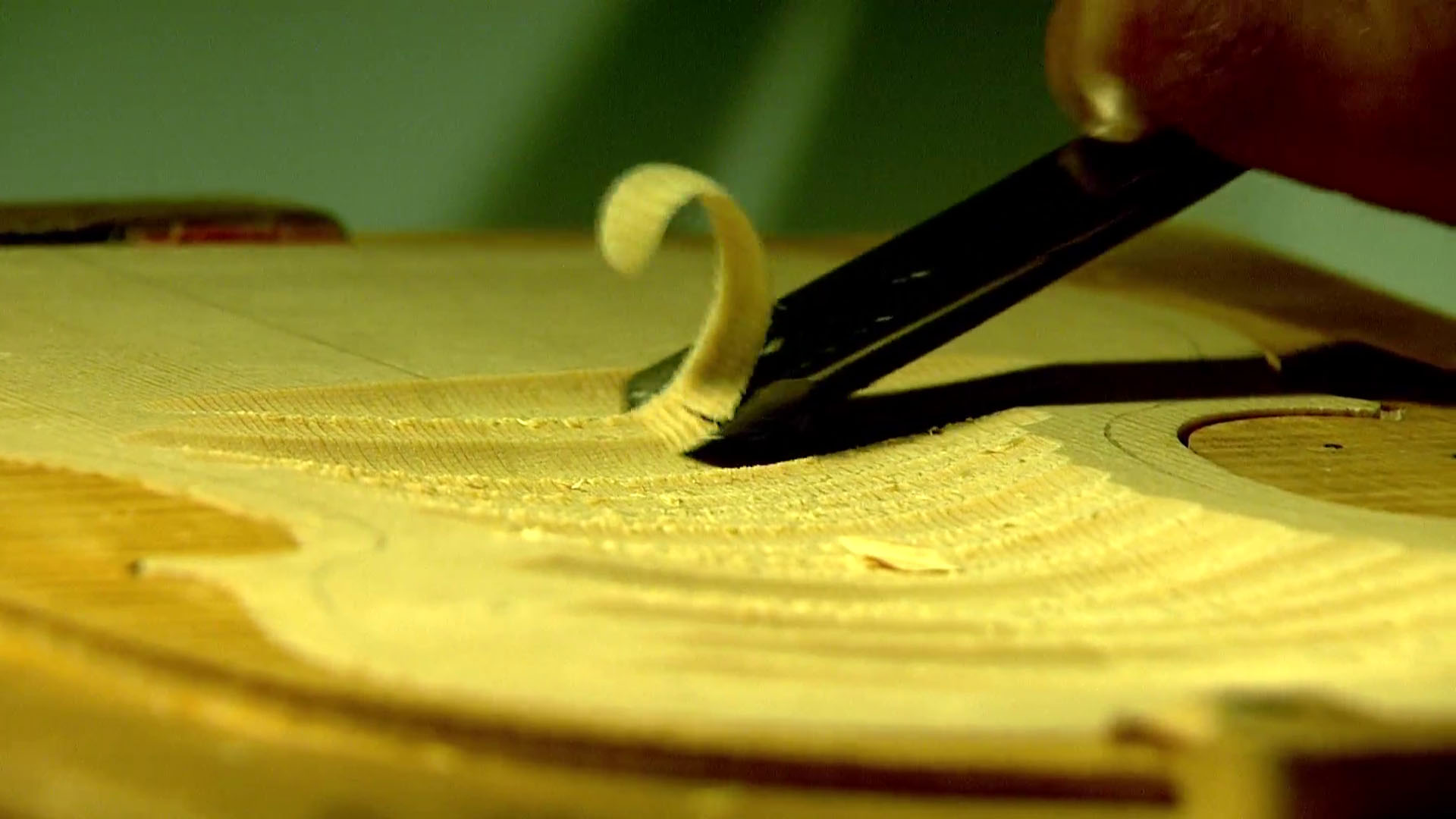
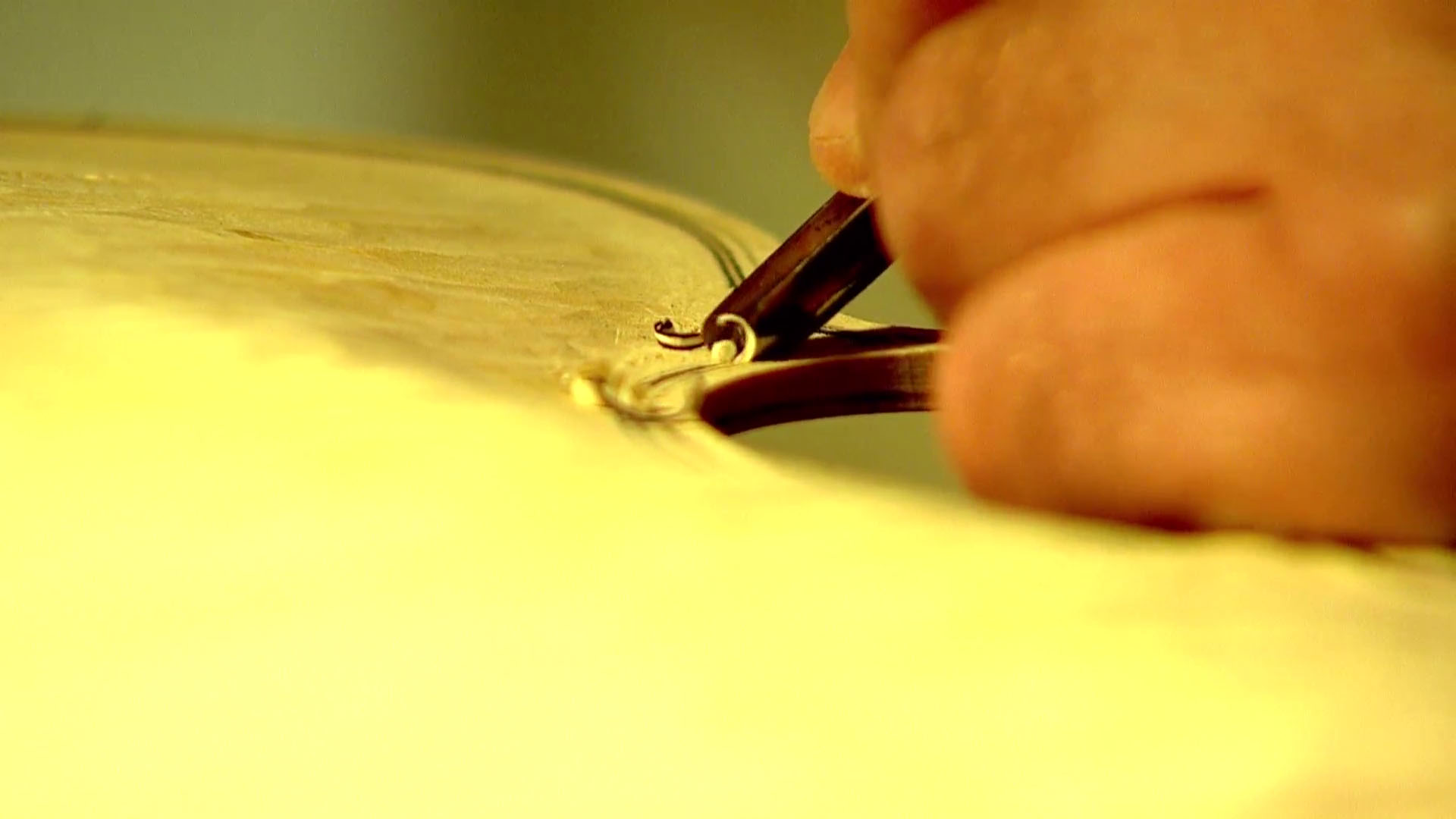
There is also something else, once discussed by experts but understood by few today: the „tone” of the violin. It is something that can be worked upon. It lies hidden within the wood shaped by the artist’s hand, and the musician must read, find, and extract it through music. The violinist must cooperate with the instrument, get to know it, and understand it—just as the violin must „get to know” the violinist. It seems that the excellence of the music defines the value of the instrument. Yet, for many creators in the film, the material itself must already resonate like music. The carving of the wood and the silence filled with the luthier’s thoughts are the additional „musical” elements of our film.
The music that complements the film’s narrative consists primarily of interpreted compositions by Henryk Wieniawski.
The film features:
- Andrzej Wituski — Director of the International Henryk Wieniawski Competitions
- Prof. Andrzej Łapa — Vice-Rector of the I. J. Paderewski Academy of Music
- Tadeusz Słodyczka — Luthier
- Benedykt Niewczyk — Luthier
Jury Members of the International Henryk Wieniawski Violin Making Competition:
- Roger Hargrave — Chair of the Jury
- Prof. Roman Lasocki
- Patrick Robin
- Wojciech Łukasz
- Jan Spidlen
- Joseph Grubaugh
Polecane artykuły
Wspomnienia z Powstania Wielkopolskiego – Zdobycie Ławicy
Powstanie Wielkopolskie - Zdobycie Ławicy (6 stycznia 1919 roku) Fragment relacji Kazimierza CiążyńskiegoKazimierz Ciążyński (1894 - 1951) - w listopadzie 1918 r. wstąpił do Polskiej Organizacji Wojskowej zaboru pruskiego; związany był z tzw. grupą Mieczysława...
Polska Kokarda Narodowa
W symbolice międzynarodowej najważniejszym znakiem identyfikującym państwo w gronie innych jest herb państwowy. Herb to znak utworzony z godła umieszczonego w polu tarczy herbowej.