
Count Władysław Zamoyski – Master from Wielkopolska – Lord of the Tatras
A historical documentary commemorating a great patriot of humble origins, whose heart belonged to the Tatra Mountains and thanks to whom we can enjoy the Polish Morskie Oko lake today.
Władysław Zamoyski
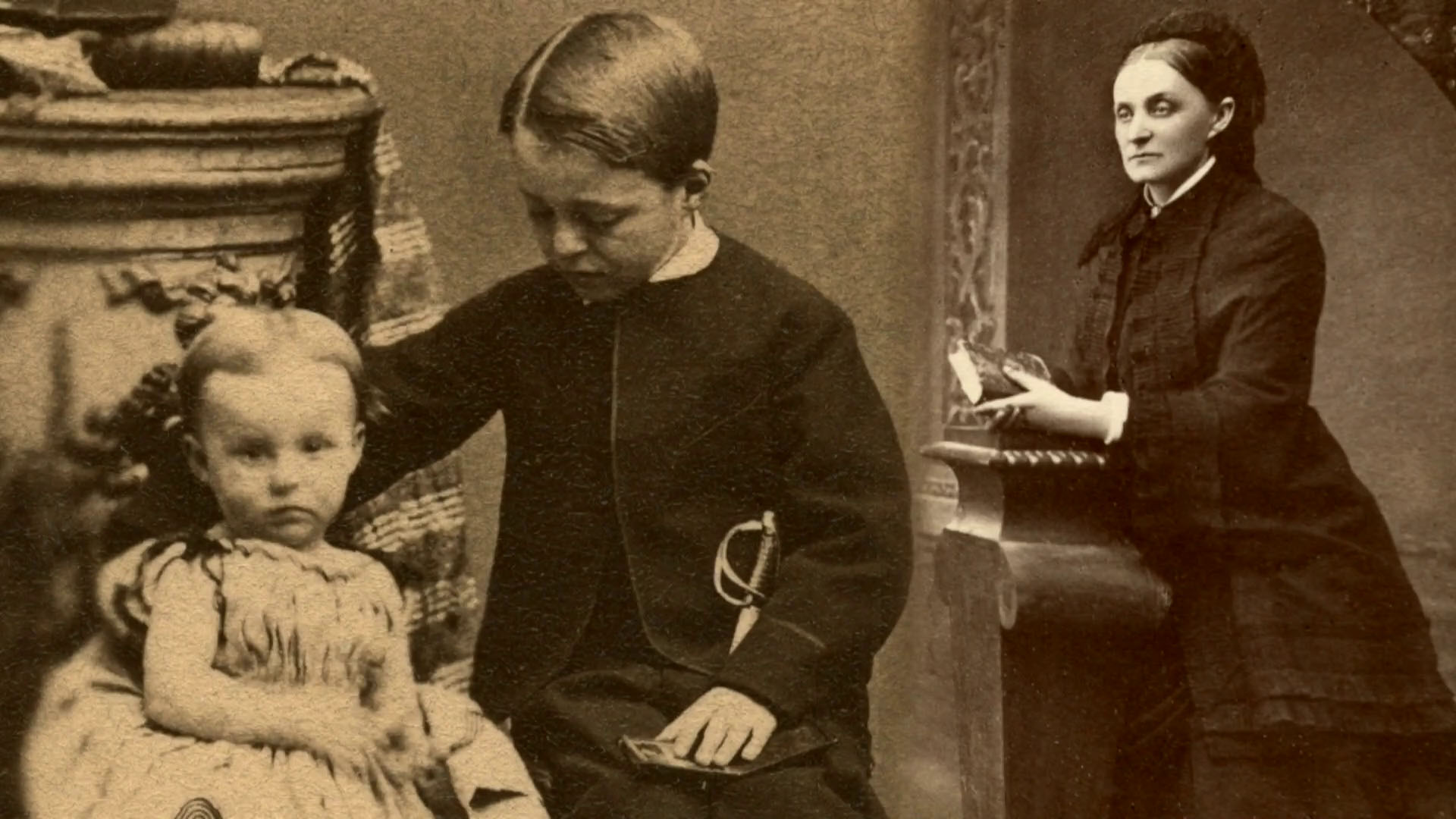
(Count of the Jelita coat of arms – born November 18, 1853, in Paris, died October 3, 1924, in Kórnik – Polish social activist and founder of the Kórnik Foundation)
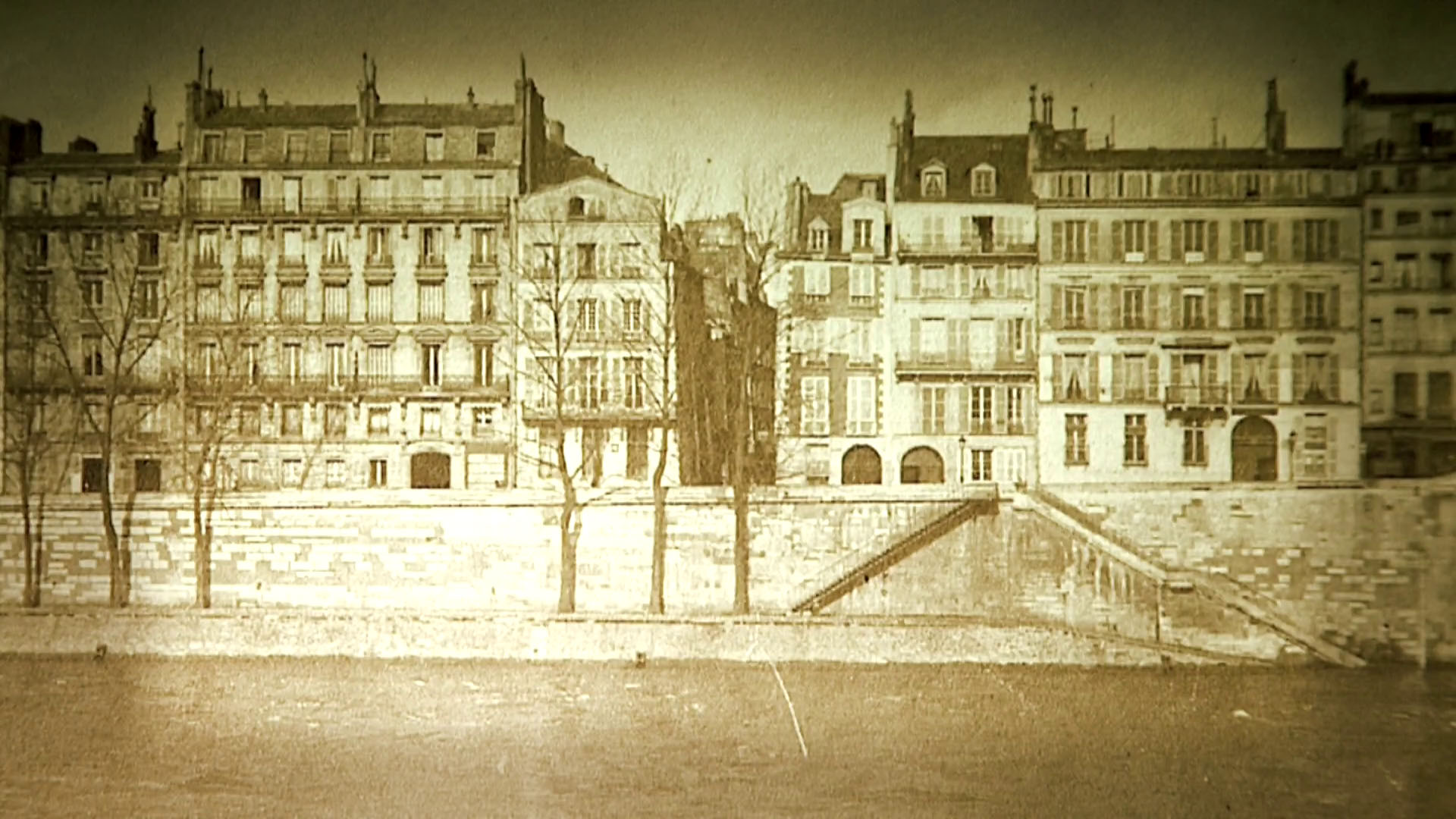
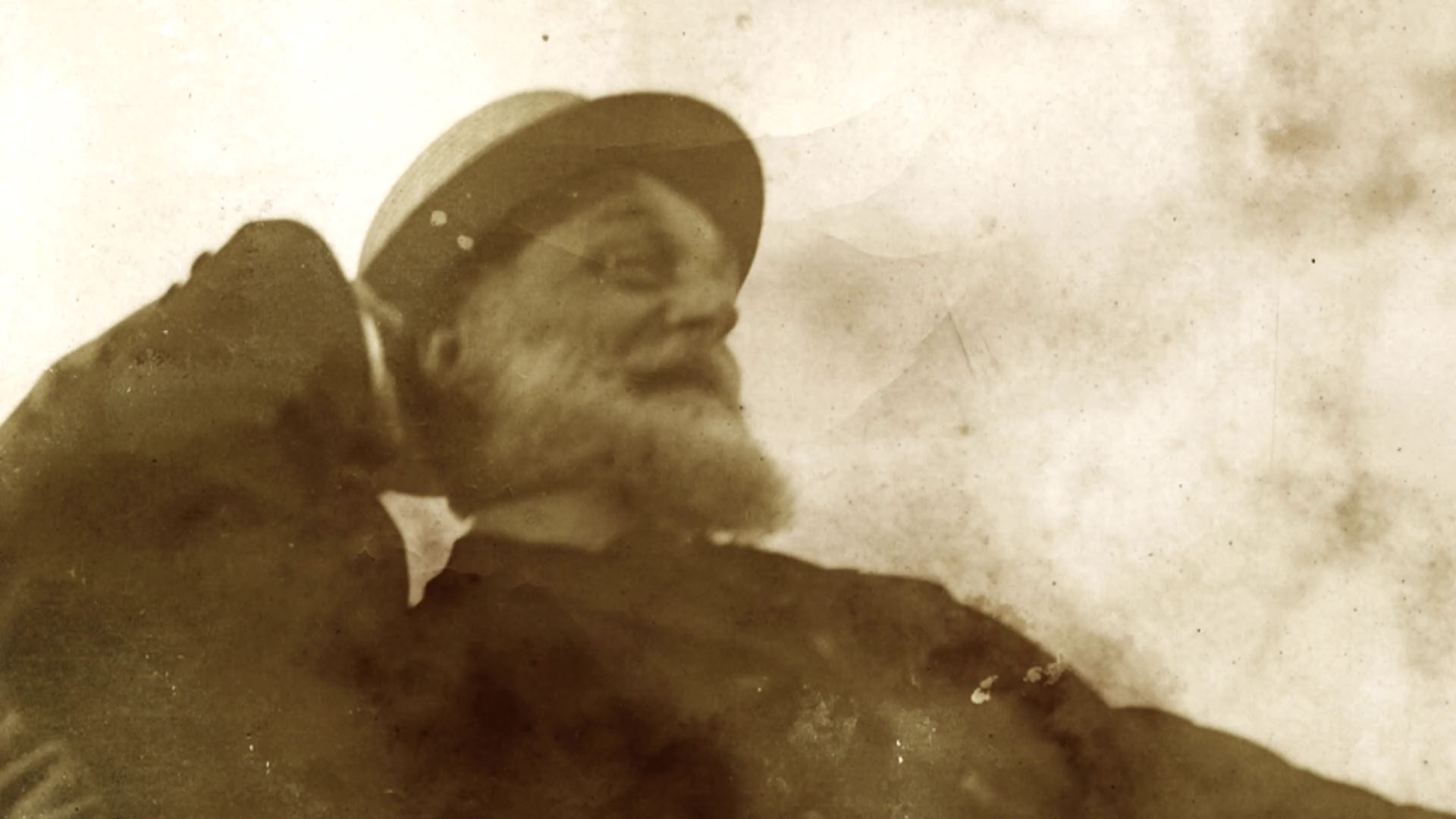
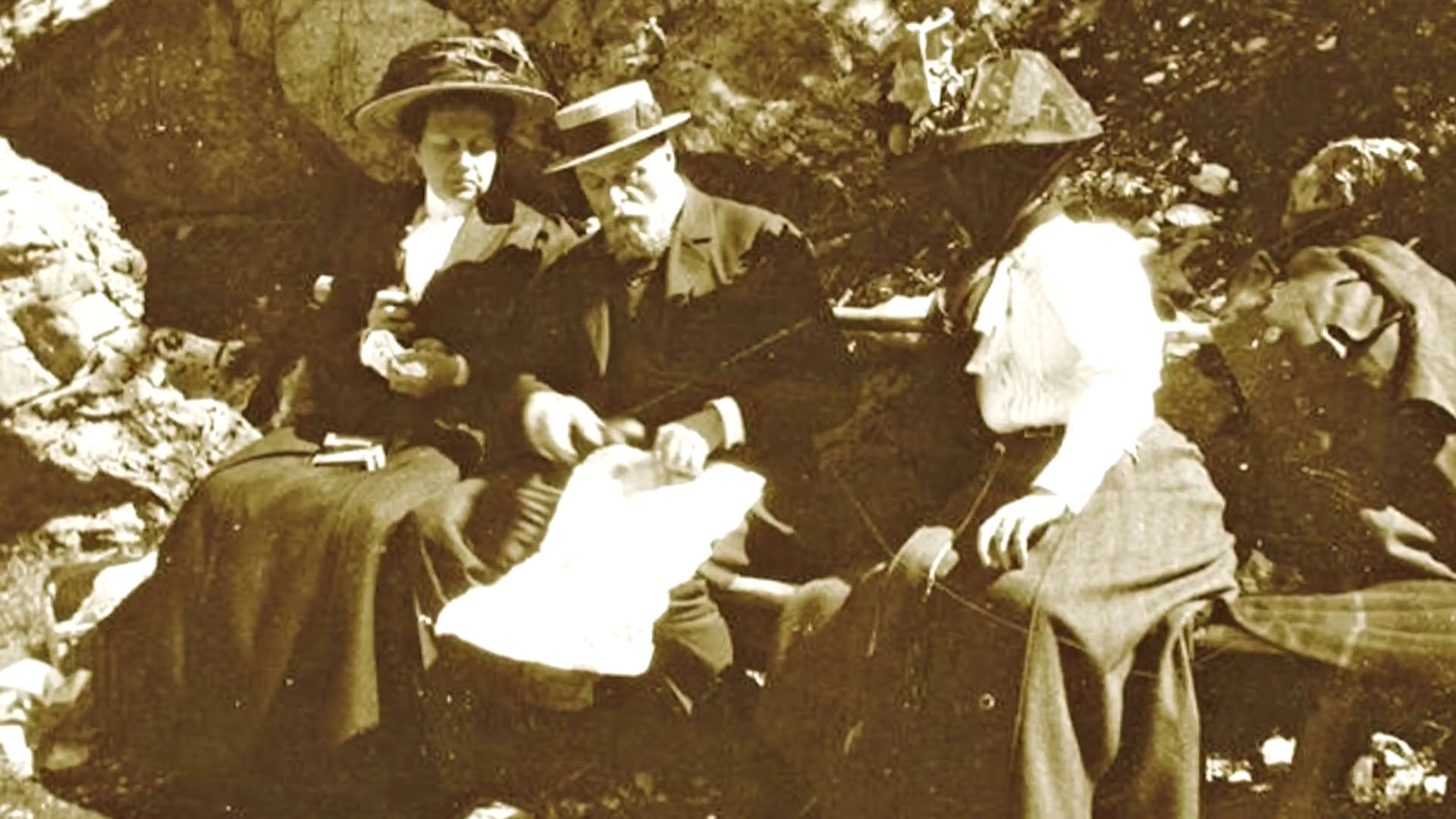
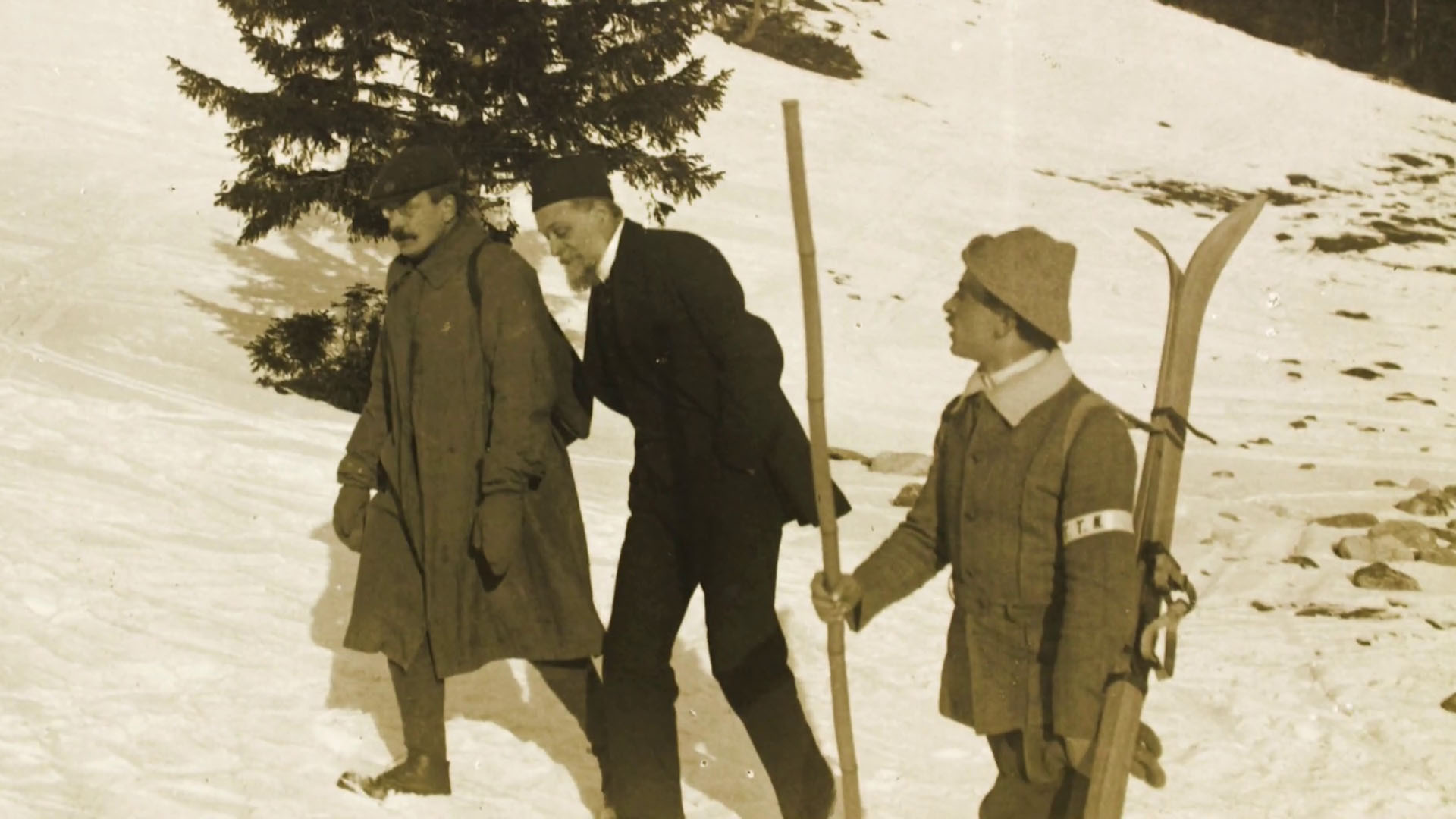
Count Władysław Zamoyski — a nobleman from Greater Poland, born and educated in Paris. He inherited the estate in Kórnik, near Poznań. Exiled from his own home, he settled in Zakopane. It was there that he purchased Morskie Oko. In his own way, he waited and fought — for an independent Homeland. In his last will and testament, he bequeathed his entire fortune to the Polish Nation.
Zamoyski once wrote in one of his letters:
„The fortune that God placed in my hands, I have never considered my own property, but the property of Poland, in my temporary possession; a property from which I must not lose a single thing, and which is to serve the Fatherland alone, not me. For my personal needs, I have never taken a single cent from Kórnik. I have never allowed myself any luxuries. I denied myself everything that did not seem strictly indispensable. But where I believed the cause required it, I spared no effort. I had but one fervent desire: that these efforts be effective and that the aid given not be wasted. It is not about me—for I need very little—but about the harm done to the public cause, which everything at my disposal serves and shall continue to serve.”
There are extraordinary people among us. The life of Count Władysław Zamoyski is proof of that.
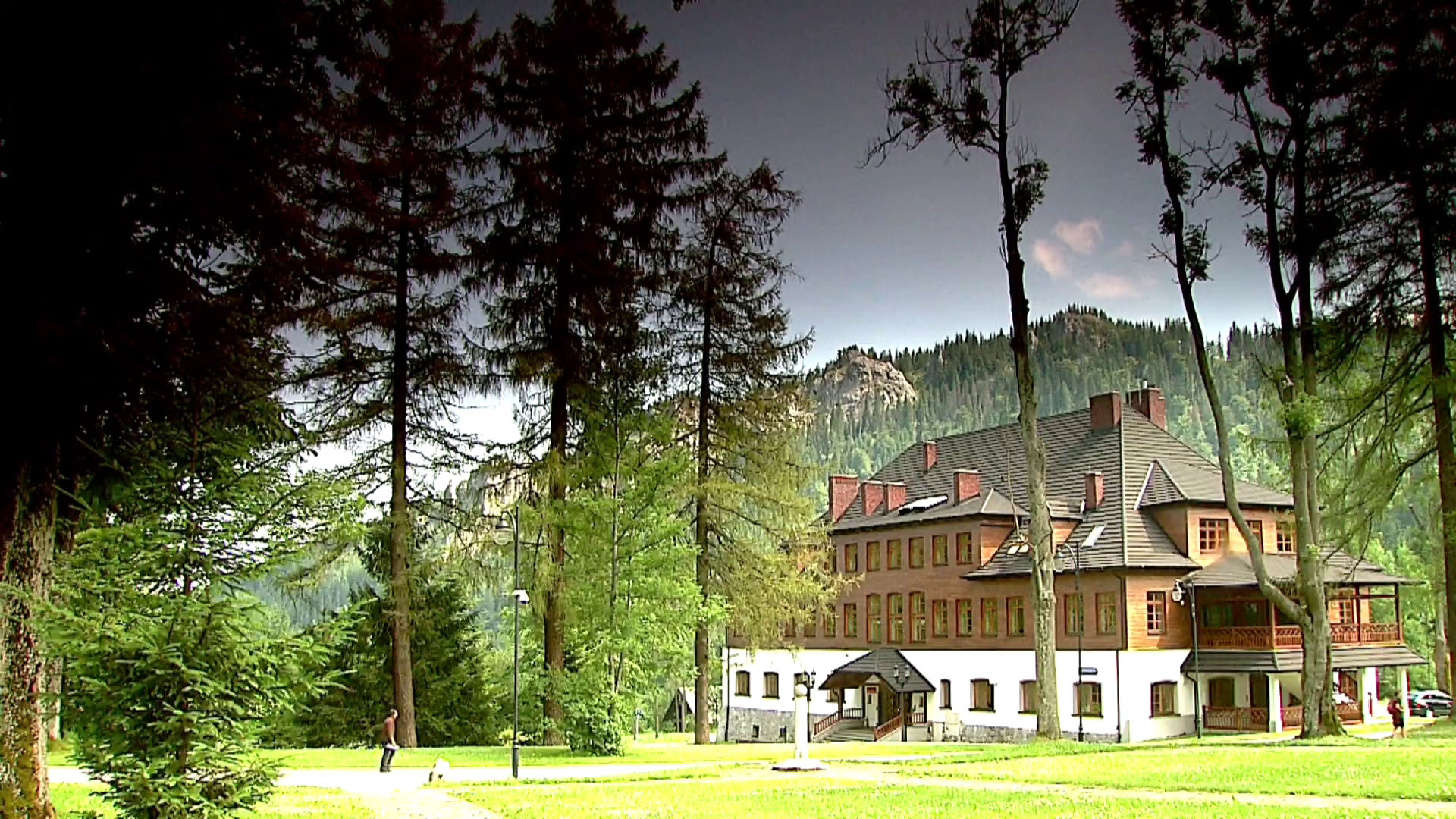
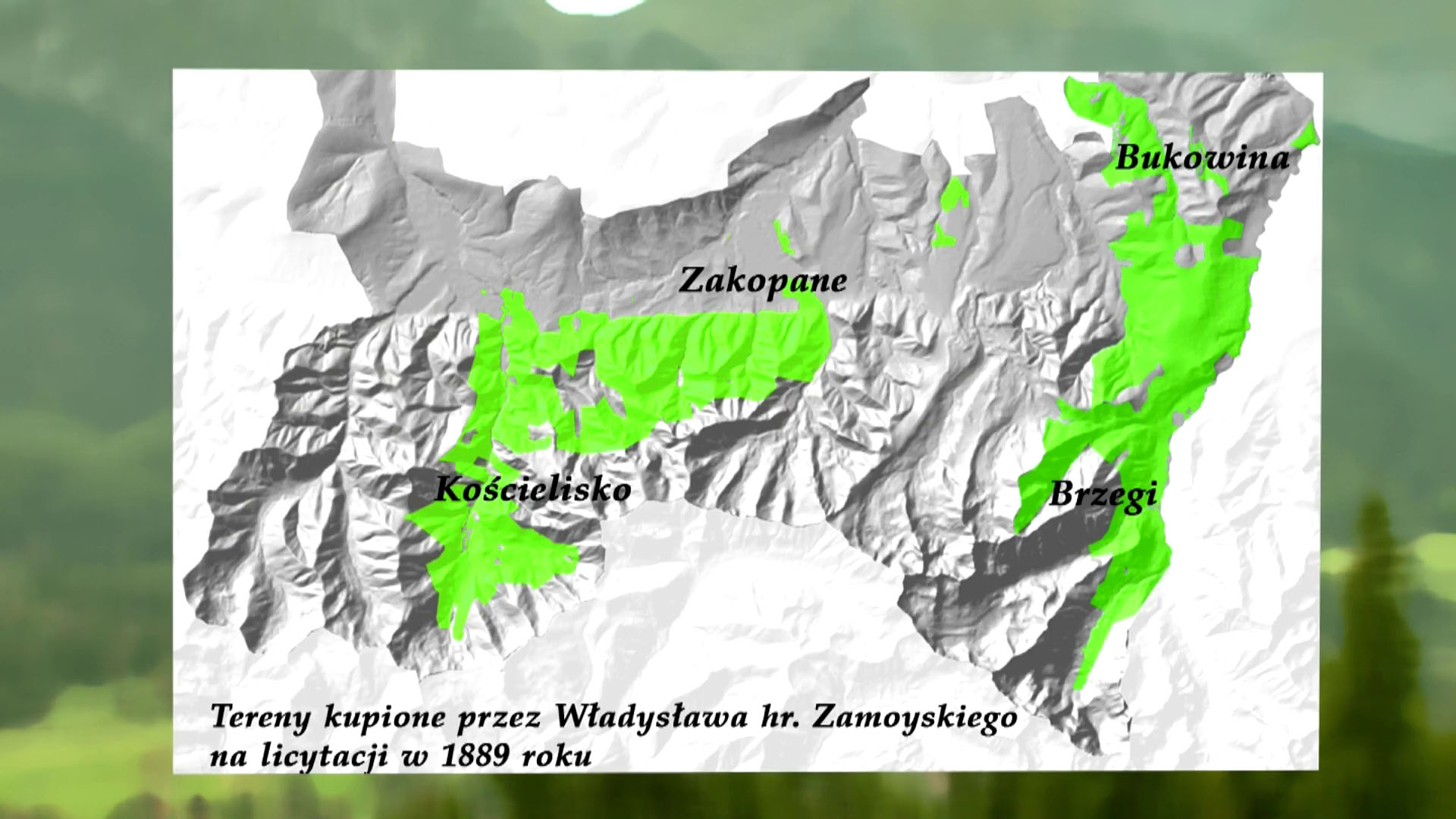
He was the grandson of Tytus Działyński and inherited the Kórnik estate from Tytus’s son, Jan Działyński. He was also the owner of the lands formerly known as the „Zakopane Estate.” This territory encompassed one-third of today’s Polish Tatra Mountains, including Kuźnice, everything above Zakopane, areas surrounding and within the town, and the Kościeliska Valley. He bought this estate at an auction as a „pile of stones” stripped of trees, for no one else wanted it. Zamoyski risked much, as those who intended to buy did so only to exploit the people, clear-cut the forests for paper, and crush the stone for rubble.
Thus, Zamoyski saved the Tatras from destruction. He brought order and culture where they were lacking. He planted forests, built a railway, several schools, waterworks, and a power plant. He held stakes in nearly every venture that enabled the development of the Polish highlander culture (góralszczyzna). It was during that time that this specific Polish culture—so close to everyone’s heart, yet both primal and contemporary—was shaped and tempered.
Without the influence of „the Manor,” as the locals called it, such dynamic and multi-dimensional development of this region could never have happened. Even Morskie Oko would likely be Slovak today, much like the Spiš region, were it not for Zamoyski’s persistence and commitment.
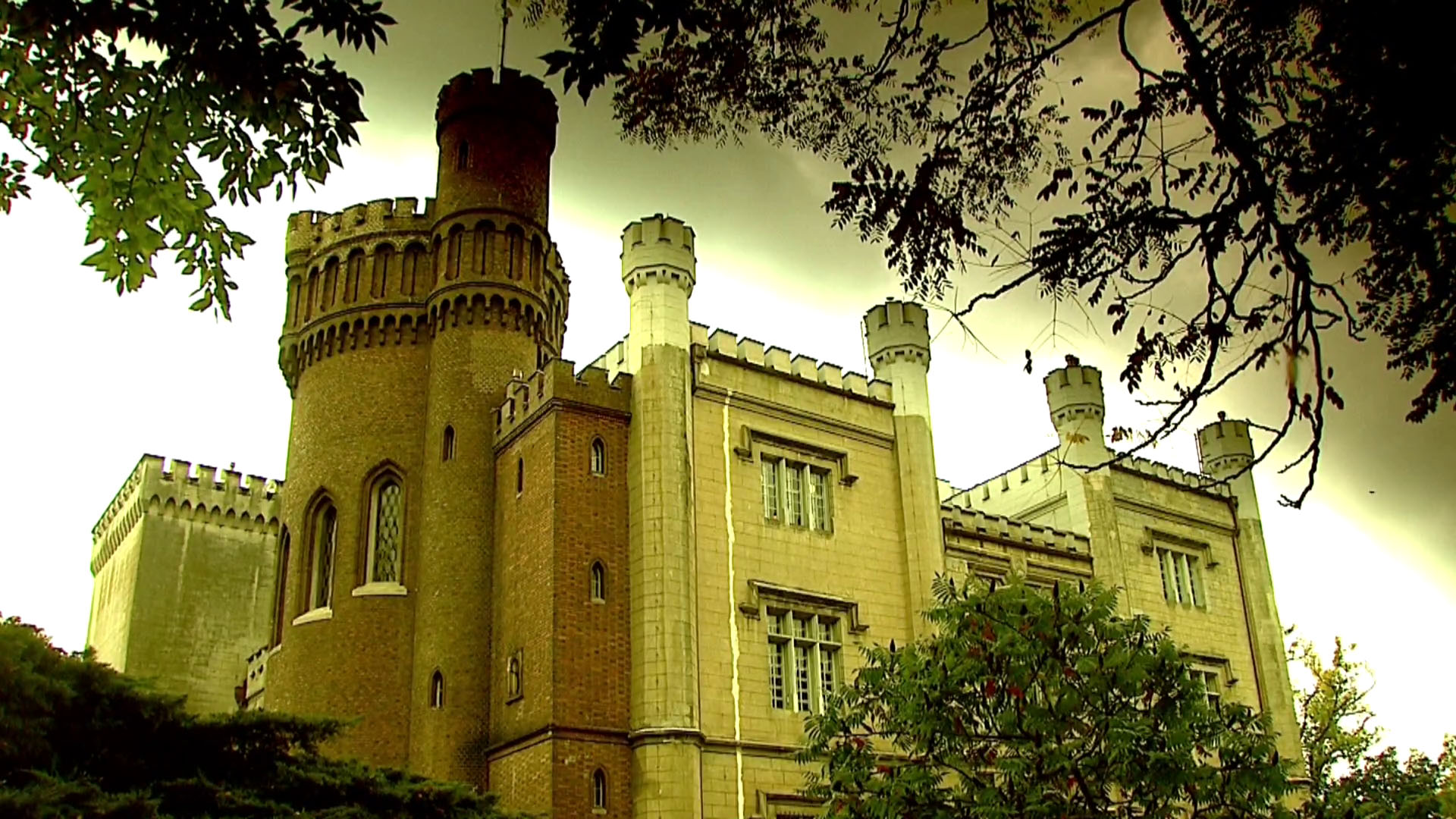
He was rarely in Kórnik; expelled from Prussia as a citizen of another country, he could not live in his own home. Nevertheless, he multiplied his Greater Poland fortune and preserved the treasures of Kórnik. He had a „head for business,” immense diligence, a sense of duty, luck in his ventures, and a profound faith in God and the possibility of Poland regaining independence. To this cause, he dedicated everything—personal, social, and professional.
At the end of his life—when Poland was already independent—he established a Foundation and bequeathed everything—his Kórnik and his Tatras with Zakopane—to us: to all Poles.
By vanishing from the pages of history in such a way, the Działyński family of the Ogończyk coat of arms and one line of the Zamoyski family sought to redeem, through a powerful work of great value, at least a part of what their ancestors had lost. They proved themselves to be true nobility. We, living today, must never forget them or people like them.
The film features:
Prof. Andrzej Kwilecki – Adam Mickiewicz University (UAM), Prof. Kazimierz Karolczak – Pedagogical University of Krakow, Prof. Stanisław Hodorowicz, Dr. Wanda Karkucińska – The Kórnik Library of the Polish Academy of Sciences (PAN), Mirosław Kwieciński – The Kórnik Library of the Polish Academy of Sciences (PAN), Dr. Danuta Płygawko – Adam Mickiewicz University (UAM), Dr. Jerzy Roszkowski – The Tatra Museum in Zakopane, Dr. Marcin Guzik – Tatra National Park (TPN), Piotr Bąk – The Władysław Zamoyski Club in Zakopane, Tomasz Dziadoń – Tatra National Park (TPN), Sister Ambrozja Anna Stelmach – St. Albert’s Hermitage at Kalatówki, Teresa Grończak, Maria Wójcik
The film utilizes:
Archive materials from the collections of:
-
The Kórnik Library of the Polish Academy of Sciences (PAN)
Music from the collections of:
-
The Henryk Wieniawski Musical Society in Poznań



Polecane artykuły

„Król nie umiera nigdy …” – refleksje z okazji tysiąclecia Królestwa Polskiego
W ramach projektu „Król nie umiera nigdy…” zaprosiliśmy historyków, by opowiedzieli o narodzinach Królestwa Polskiego i symbolice koronacji Bolesława Chrobrego.
To opowieść o początku naszej państwowości i idei, która trwa do dziś.

Władysław Zamoyski – Dziwny Hrabia
Film „Władysław Zamoyski — Dziwny Hrabia” to nie tylko dokument historyczny, lecz także artystyczna opowieść, w której przeszłość splata się z teraźniejszością
Jadwiga Zamoyska – Skarby Generałowej
Z okazji 100-nej rocznicy śmierci Jadwigi Zamoyskiej oraz z inspiracji Fundacji Zakłady Kórnickie, Sejm RP uhonorował ją tytułem Patronki Roku 2023. Z tej okazji powstał film dokumentalny „Jadwiga Zamoyska – Skarby Generałowej” opowiadający historię jej życia oraz wspominający Cepculki – uczennice Szkoły Domowej Pracy Kobiet, którą stworzyła Zamoyska
Dzieci morza i wiatru
Film dokumentalny opowiadający o najlepszych stadninach i ludziach hodujących konie kiedyś i współcześnie oraz o tym, jak pracować ze zwierzęciem, aby rozumiał jeźdźca i był jego przyjacielem.
Klejnoty Jadwigi Zamoyskiej
Jadwiga Zamoyska – Patronka Roku 2023 – założycielka Szkoły Domowej Pracy Kobiet, współtwórczyni Fundacji Zakłady Kórnickie
Biała Dama z Kórnika
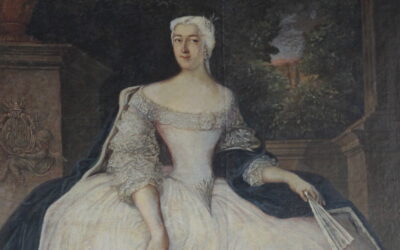
Teofila z Działyńskich Szołdrska-Potulicka – wybitna przedstawicielka rodu Działyńskich, władającego Zamkiem w Kórniku, która w czasach ogólnego upadku gospodarczego Polski doprowadziła majątek kórnicki do rozkwitu.
Okruchy wspomnień – Żydzi w Kórniku
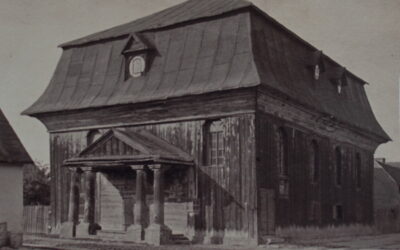
Reportaż oparty na wspomnieniach jednego z byłych mieszkańców o społeczności żydowskiej zamieszkującej Kórnik pod Poznaniem
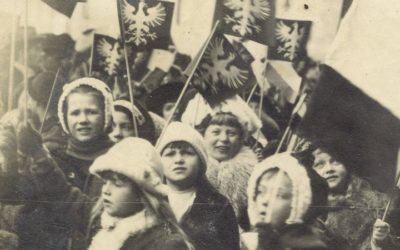
Wybuch Powstania Wielkopolskiego – 27 grudnia 1918 roku – wspomnienie
Listopad i grudzień 1918 roku w Poznaniu i w Wielkopolsce to czas szczególny. Z jednej strony – to czas oczekiwania na decyzje polityczne, które miały zapaść na odległych salonach międzynarodowych. Z drugiej – czas gorączkowych przygotowań do odzyskania wolności we własny sposób. Nikt nie spodziewał się, że właśnie 27 grudnia 1918 roku sprawy przybiorą taki obrót.
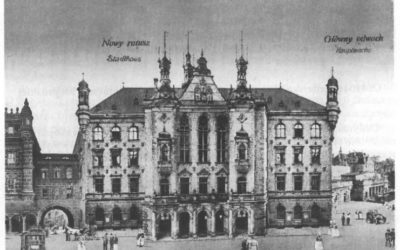
Zamach na Ratusz – 13 listopada 1918 roku w Poznaniu – wspomnienie

Dziwny hrabia, czy niezwykły i wielki człowiek?
Władysław hr. Zamoyski – na pewno prawdziwy polski arystokrata – szlachcic, do pewnego stopnia niezrozumiały dla niektórych mu współczesnych, ale jednocześnie podziwiany przez wielu do dziś.
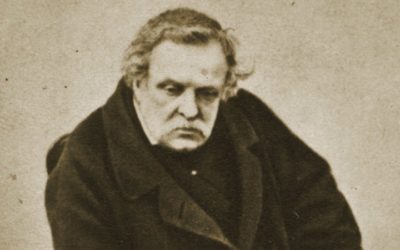
Tytus hr Działyński
Film prezentujący biografię jednego z najszlachetniejszych arystokratów Wielkopolski. Stworzył on specyficzny skarbiec kultury, który przetrwał i służy nam do dziś.
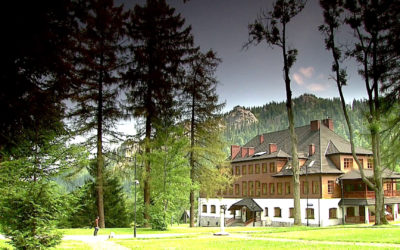
Trudne początki – aktywność gospodarcza W.Zamoyskiego
Po kupnie Zakopanego, po ogromnym, finansowym wysiłku, zadłużeniu majątku kórnickiego – przyszło działać Władysławowi Zamoyskiemu na nowym, nieznanym terenie. W artykule poruszono kwestię, dlaczego hrabia Zamoyski nie skorzystał z możliwości, jakie stworzył fakt, że Zakopane rozwijało się w owych czasach jako popularny ośrodek turystyczny i spa.