
Count Władysław Zamoyski – Master from Wielkopolska – Lord of the Tatras
A historical documentary commemorating a great patriot of humble origins, whose heart belonged to the Tatra Mountains and thanks to whom we can enjoy the Polish Morskie Oko lake today.
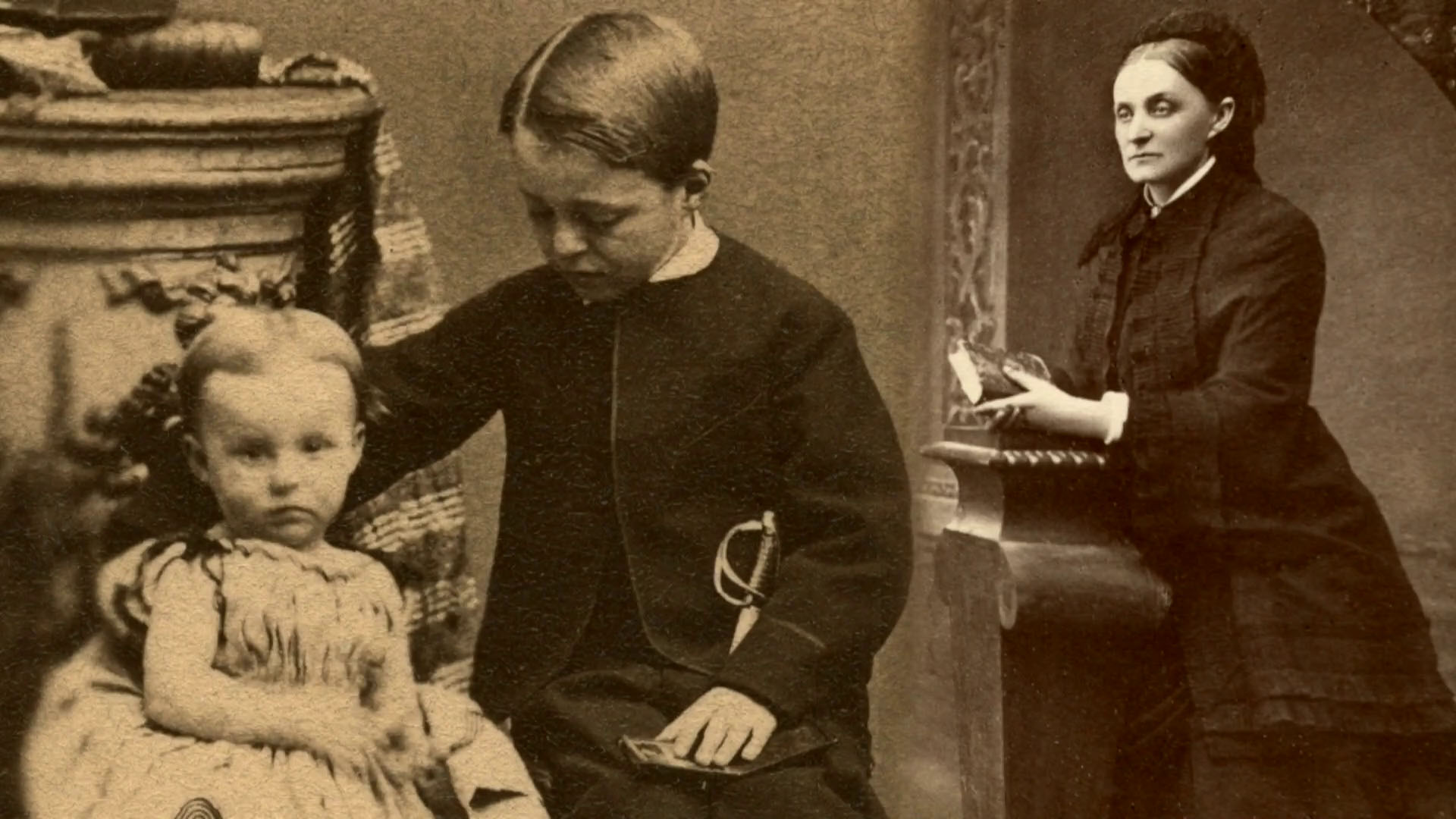
Władysław Zamoyski
(Count of the Jelita coat of arms – born November 18, 1853, in Paris, died October 3, 1924, in Kórnik – Polish social activist and founder of the Kórnik Foundation)
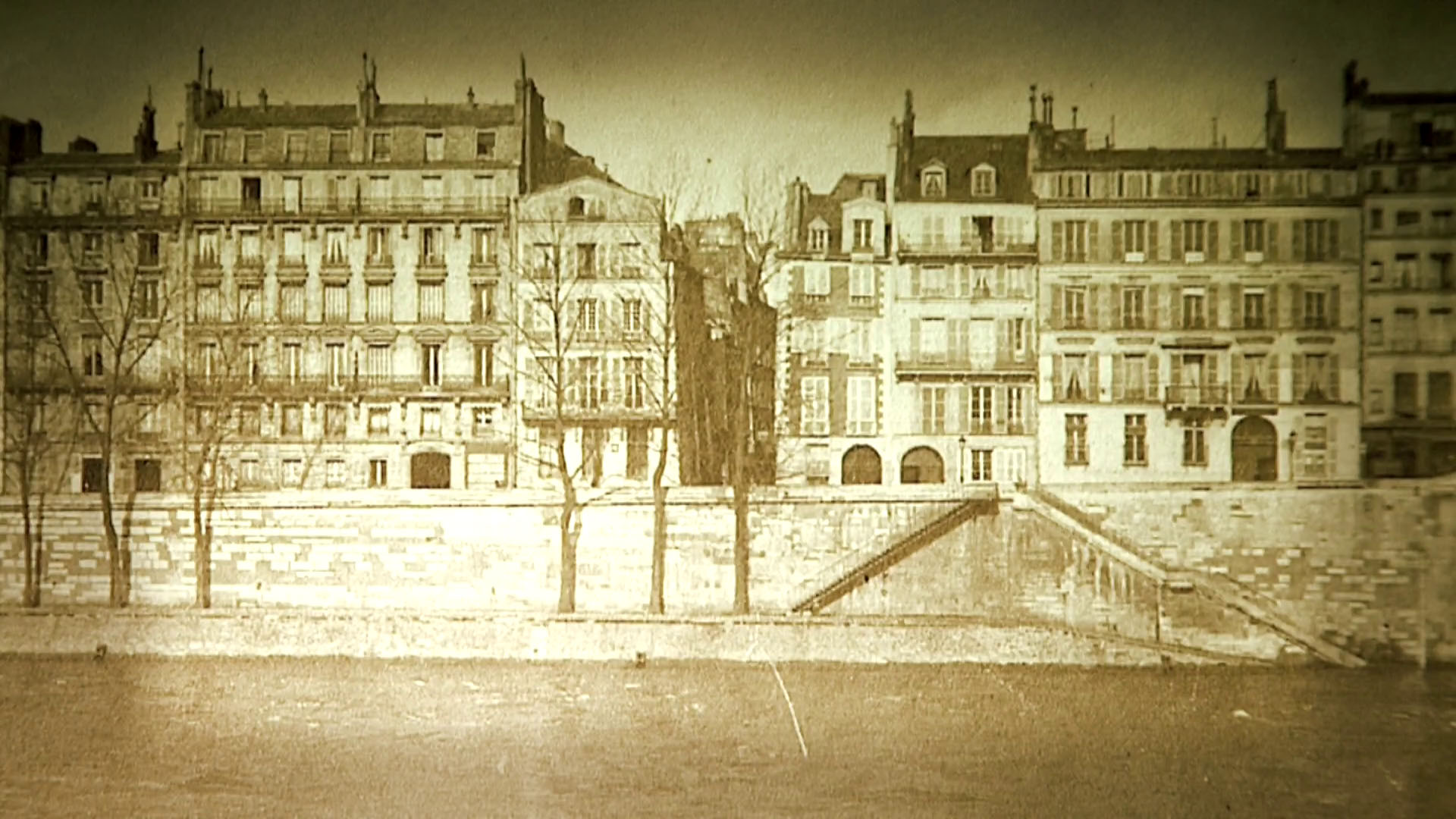
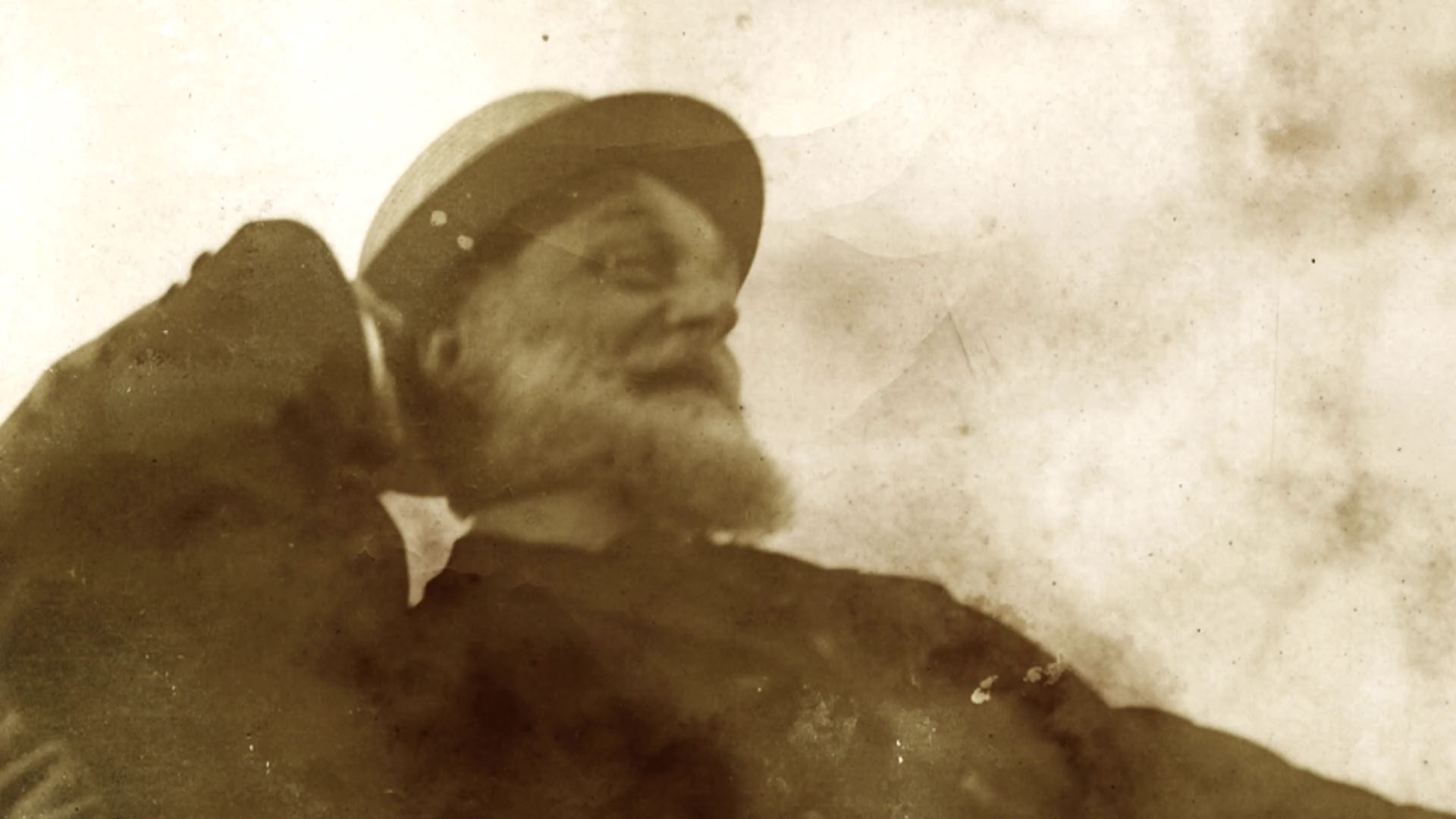
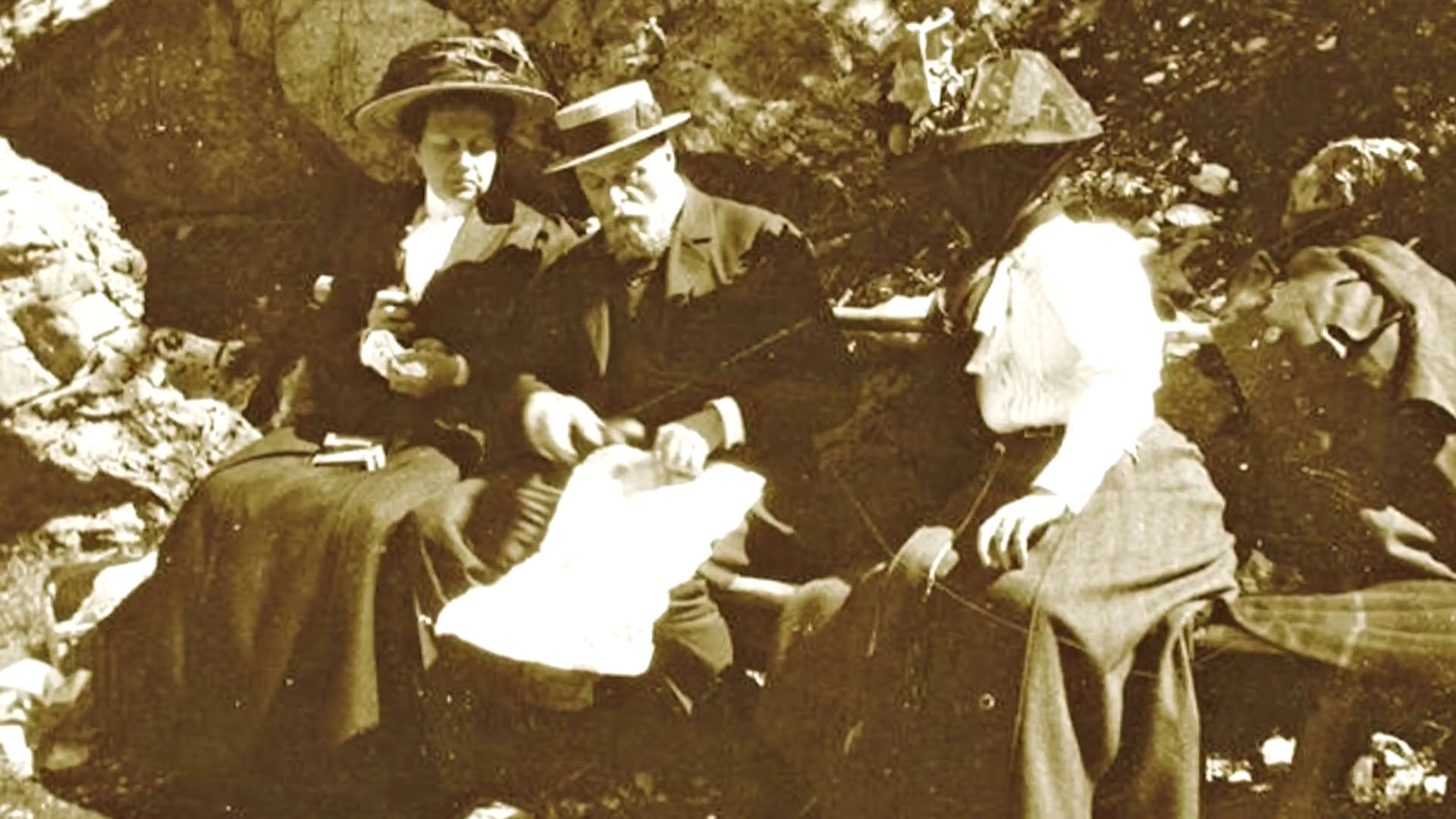
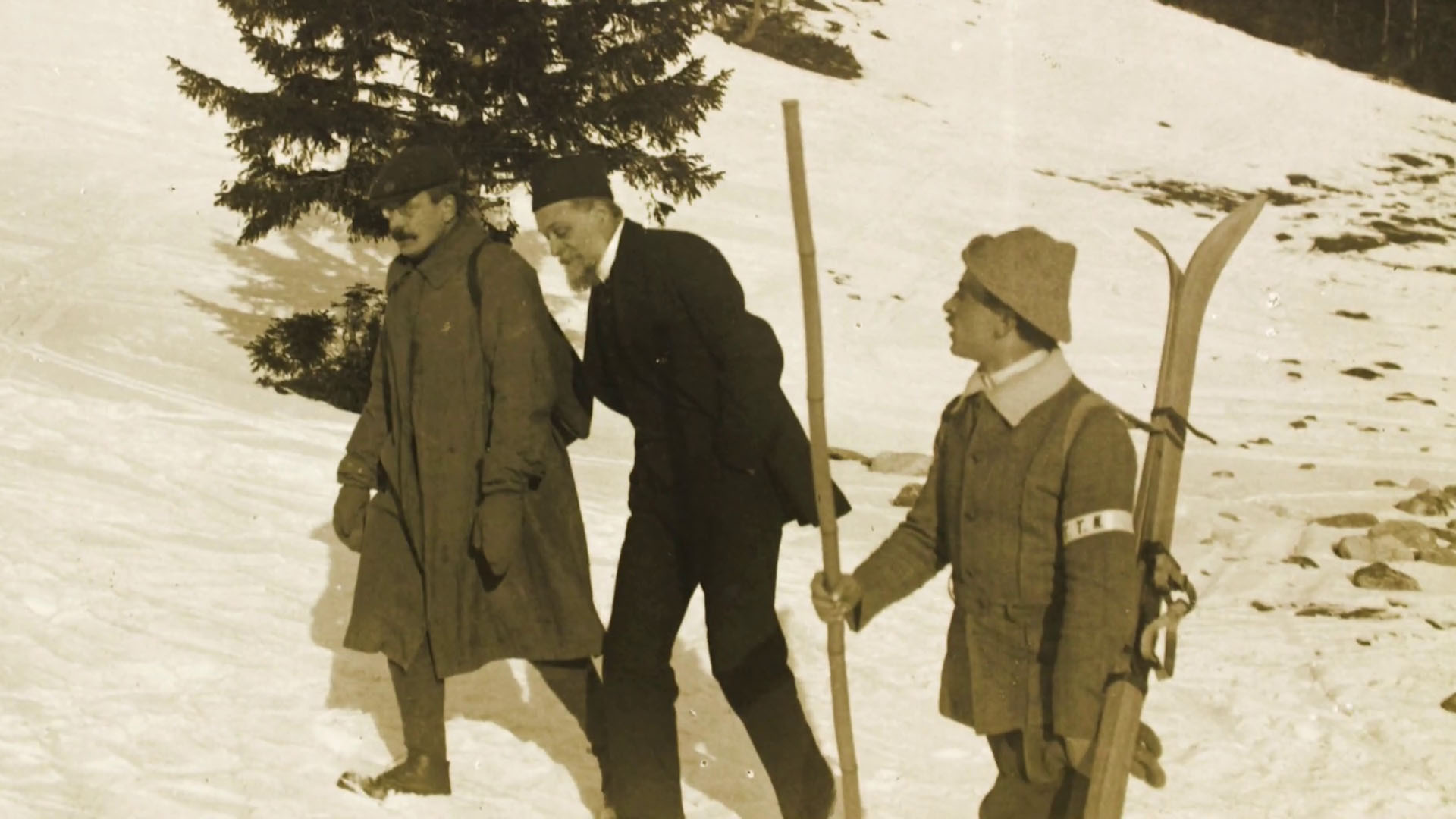
Count Władysław Zamoyski — a nobleman from Greater Poland, born and educated in Paris. He inherited the estate in Kórnik, near Poznań. Exiled from his own home, he settled in Zakopane. It was there that he purchased Morskie Oko. In his own way, he waited and fought — for an independent Homeland. In his last will and testament, he bequeathed his entire fortune to the Polish Nation.
Zamoyski once wrote in one of his letters:
„The fortune that God placed in my hands, I have never considered my own property, but the property of Poland, in my temporary possession; a property from which I must not lose a single thing, and which is to serve the Fatherland alone, not me. For my personal needs, I have never taken a single cent from Kórnik. I have never allowed myself any luxuries. I denied myself everything that did not seem strictly indispensable. But where I believed the cause required it, I spared no effort. I had but one fervent desire: that these efforts be effective and that the aid given not be wasted. It is not about me—for I need very little—but about the harm done to the public cause, which everything at my disposal serves and shall continue to serve.”
There are extraordinary people among us. The life of Count Władysław Zamoyski is proof of that.
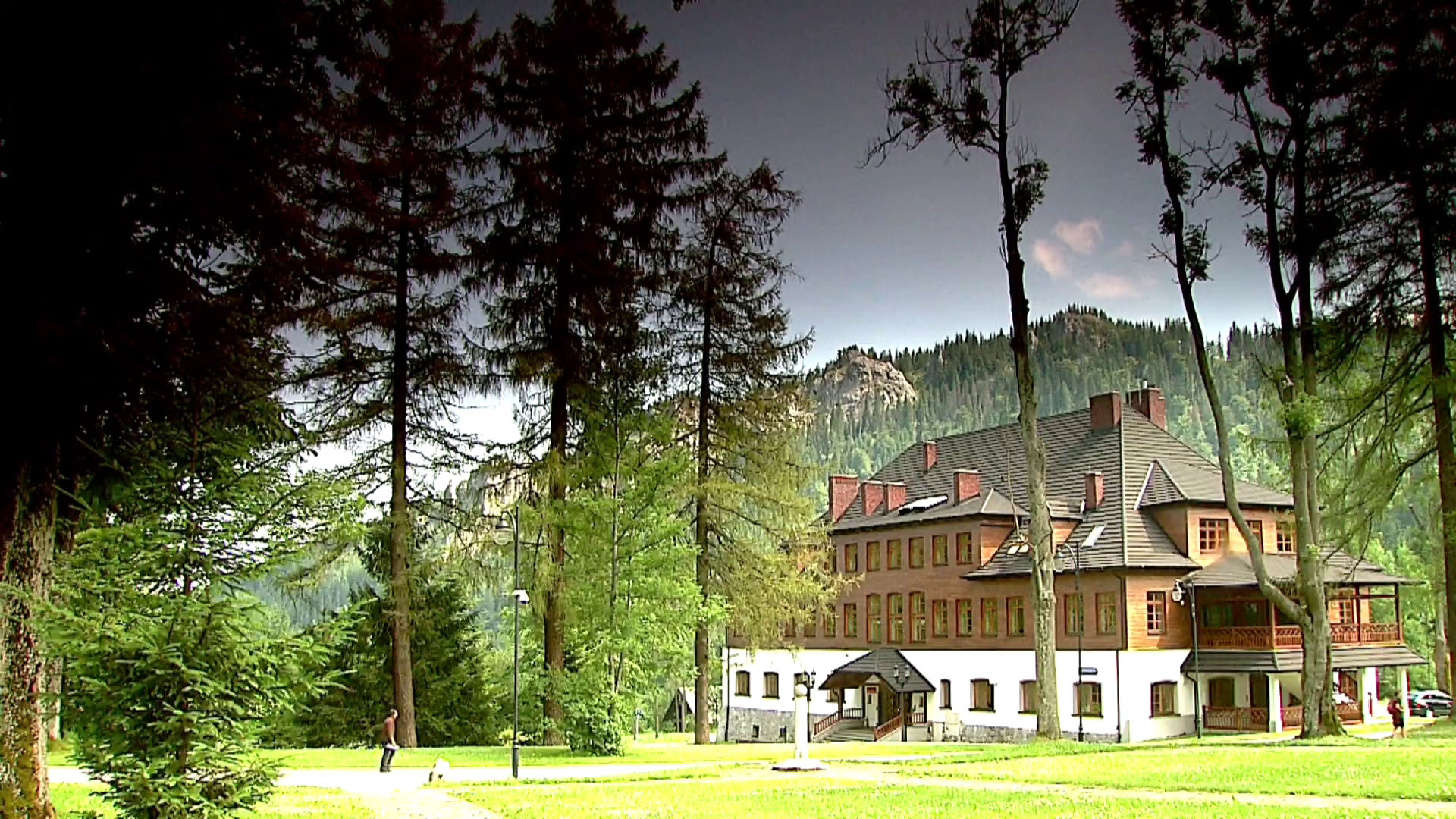
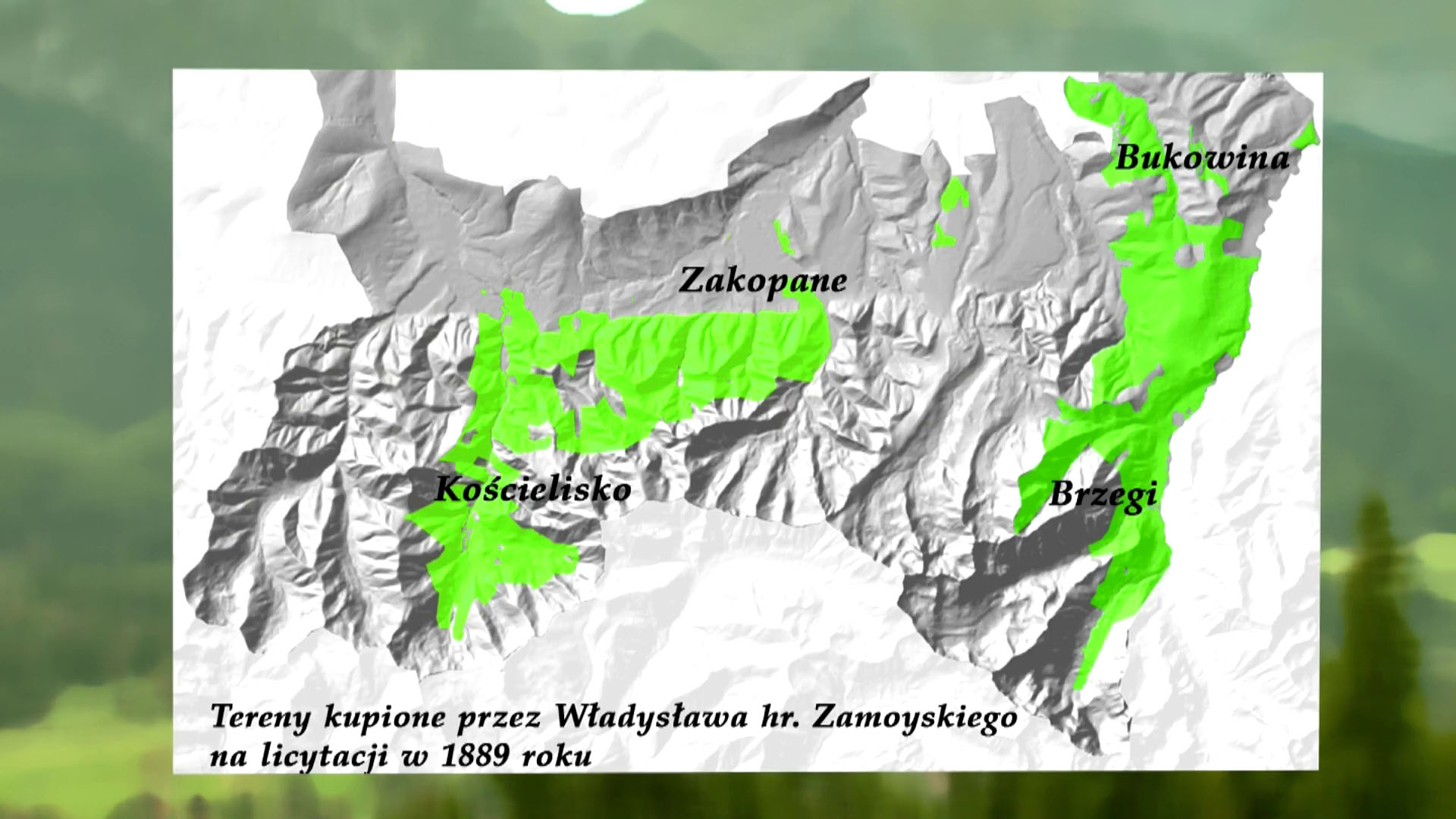
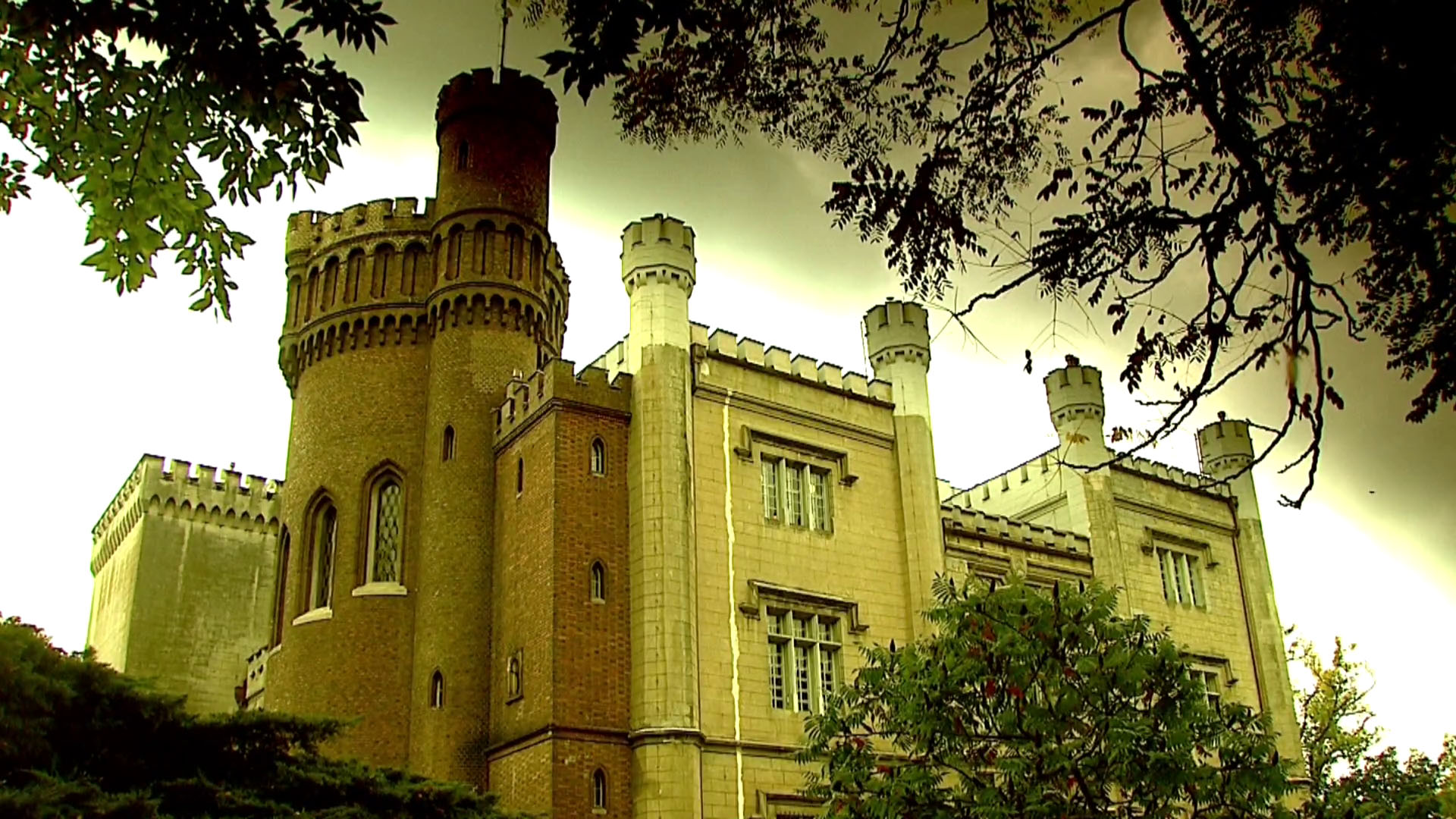
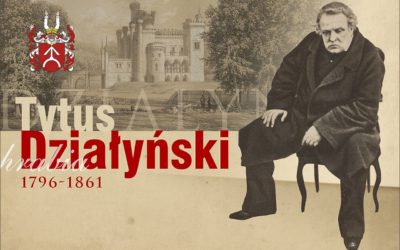
He was the grandson of Tytus Działyński and inherited the Kórnik estate from Tytus’s son, Jan Działyński. He was also the owner of the lands formerly known as the „Zakopane Estate.” This territory encompassed one-third of today’s Polish Tatra Mountains, including Kuźnice, everything above Zakopane, areas surrounding and within the town, and the Kościeliska Valley. He bought this estate at an auction as a „pile of stones” stripped of trees, for no one else wanted it. Zamoyski risked much, as those who intended to buy did so only to exploit the people, clear-cut the forests for paper, and crush the stone for rubble.
Thus, Zamoyski saved the Tatras from destruction. He brought order and culture where they were lacking. He planted forests, built a railway, several schools, waterworks, and a power plant. He held stakes in nearly every venture that enabled the development of the Polish highlander culture (góralszczyzna). It was during that time that this specific Polish culture—so close to everyone’s heart, yet both primal and contemporary—was shaped and tempered.
Without the influence of „the Manor,” as the locals called it, such dynamic and multi-dimensional development of this region could never have happened. Even Morskie Oko would likely be Slovak today, much like the Spiš region, were it not for Zamoyski’s persistence and commitment.
He was rarely in Kórnik; expelled from Prussia as a citizen of another country, he could not live in his own home. Nevertheless, he multiplied his Greater Poland fortune and preserved the treasures of Kórnik. He had a „head for business,” immense diligence, a sense of duty, luck in his ventures, and a profound faith in God and the possibility of Poland regaining independence. To this cause, he dedicated everything—personal, social, and professional.
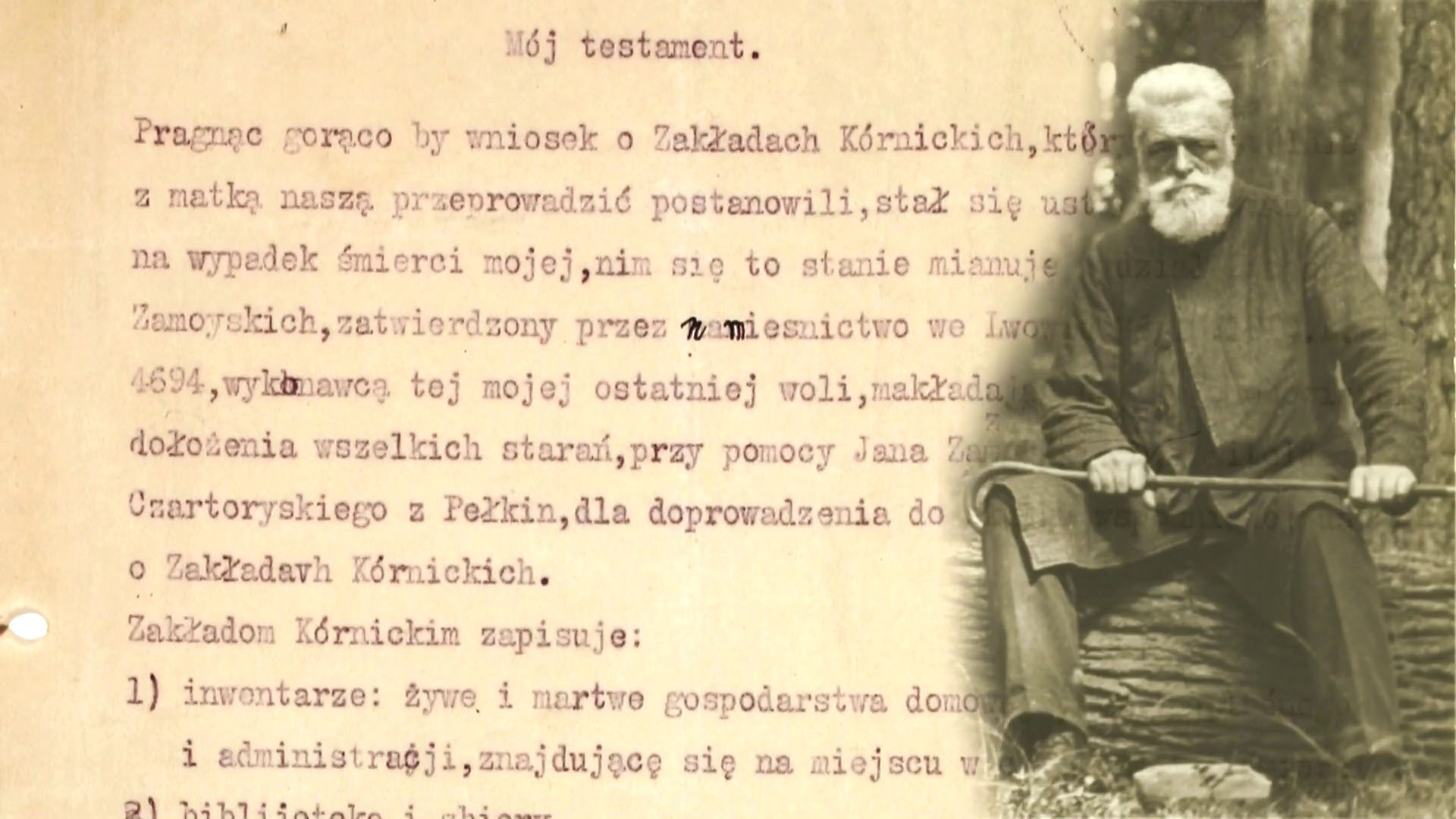
At the end of his life—when Poland was already independent—he established a Foundation and bequeathed everything—his Kórnik and his Tatras with Zakopane—to us: to all Poles.
By vanishing from the pages of history in such a way, the Działyński family of the Ogończyk coat of arms and one line of the Zamoyski family sought to redeem, through a powerful work of great value, at least a part of what their ancestors had lost. They proved themselves to be true nobility. We, living today, must never forget them or people like them.
The film features:
Prof. Andrzej Kwilecki – Adam Mickiewicz University (UAM), Prof. Kazimierz Karolczak – Pedagogical University of Krakow, Prof. Stanisław Hodorowicz, Dr. Wanda Karkucińska – The Kórnik Library of the Polish Academy of Sciences (PAN), Mirosław Kwieciński – The Kórnik Library of the Polish Academy of Sciences (PAN), Dr. Danuta Płygawko – Adam Mickiewicz University (UAM), Dr. Jerzy Roszkowski – The Tatra Museum in Zakopane, Dr. Marcin Guzik – Tatra National Park (TPN), Piotr Bąk – The Władysław Zamoyski Club in Zakopane, Tomasz Dziadoń – Tatra National Park (TPN), Sister Ambrozja Anna Stelmach – St. Albert’s Hermitage at Kalatówki, Teresa Grończak, Maria Wójcik
The film utilizes:
Archive materials from the collections of:
-
The Kórnik Library of the Polish Academy of Sciences (PAN)
Music from the collections of:
-
The Henryk Wieniawski Musical Society in Poznań



Polecane artykuły
Dobrawa – Matka Chrzestna Polski
Każdy z nas ma metrykę chrztu, gdzie w odpowiednich rubrykach stoi data, imię, imiona rodziców i rodziców chrzestnych. Podobną metrykę można by próbować wypełnić także dla całego kraju. W rubryce „imię” nie wpisalibyśmy jeszcze: Polska – bo nazwa taka nie była w X w. używana i najpewniej wcale nie istniała. Nie ma za to właściwie wątpliwości, kto stanąłby w charakterze matki chrzestnej – to książęca małżonka, czeska księżniczka Dobrawa. Nazywanie jej matką polskiego chrześcijaństwa nie jest zresztą niczym nowym.
Refleksje w 1050 rocznicę Chrztu Polski
Księżna Dobrawa – Matka Chrzestna Polski – to jedna z pierwszych rzeczywistych postaci naszej historii. Dzięki Niej odmienił się nie tylko świat naszych praojców … ale i nasz świat. Dobrawa jako „matka chrzestna” – to dla nas też idea …
Komendant „Rakoczy” – dowódca Powstań Śląskich
ALFONS ZGRZEBNIOK (1891-1937) – pseudonim „Rakoczy”, nauczyciel, działacz samorządowy i polityczny, komendant powstań śląskich. Od znaczony m.in.: Orderem Virtuti Militari V kl., Krzyżem na Śląskiej Wstędze Waleczności i Zasługi, Krzyżem Niepodległości z Mieczami, trzykrotnie Krzyżem Walecznym i Złotym Krzyżem Zasługi. Sejmik Województwa Opolskiego ogłosił rok 2017 – Rokiem Alfonsa Zgrzebnioka, dowódcy I i II Powstania Śląskiego.
Alfons Zgrzebniok – Śmiałek z Dziergowic
„Komendant Rakoczy — Alfons Zgrzebniok — Śmiałek z Dziergowic” – dowódca Powstań Śląskich — reportaż dokumentalny.
Władysław hr. Zamoyski – Pan z Wielkopolski – władca Tatr
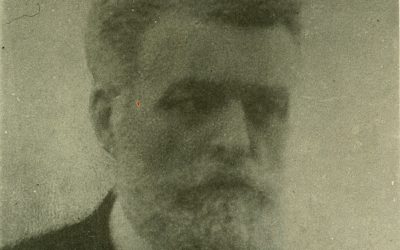
Dokument historyczny, pokazujący człowieka oraz to, co zrobił. Bez widowiska, które bywa interesujące, ale zwykle prezentuje tylko jakąś wizję, nie dotykając prawdy. Tu ważne są dokumenty i bohater — trudny, bo o chwałę niedbały, który zostawił nam wszystko, co miał, siebie zaś skrywając.
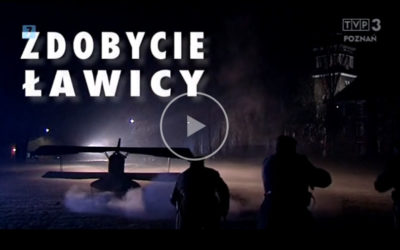
Powstanie Wielkopolskie – Zdobycie Ławicy
Film dokumentalny o najważniejszej bitwie Powstania Wielkopolskiego w okolicach Poznania w nocy z 5/6 stycznia 1919 roku. W wyniku tego zwycięstwa Polacy zdobyli na lotnisku w Ławicy i Winiarach większą ilość sprzętu lotniczego w postaci rozmontowanych i zakonserwowanych samolotów bojowych. Stały się on wkrótce zaczątkiem polskiego lotnictwa.
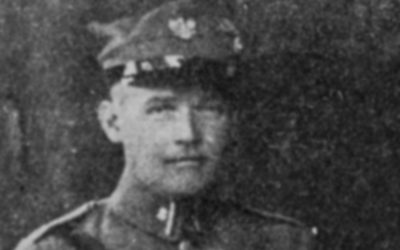
Mieczysław Paluch – człowiek, powstaniec, dowódca
Film o Mieczysławie Paluchu — Powstańcu Wielkopolskim, uczestniku Powstań Śląskich, majorze artylerii Wojska Polskiego, który zmarł na Wyspie Wężów, a o którym w znacznej mierze, zapomniano we współczesnej historii.
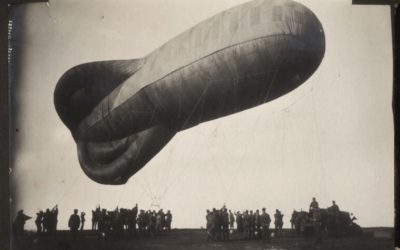
Powstanie Wielkopolskie – Bitwa o Ławicę, 5-6 stycznia 1919r.
Powstanie Wielkopolskie - Zdobycie ŁawicyBitwa o Ławicę rozegrała się w nocy z 5 na 6 stycznia 1919 roku.To w tej wówczas pod-poznańskiej wsi zlokalizowane było niemieckie lotnictwo wojskowe, które zagrażało Poznaniowi w tych pierwszych dniach Powstania. Zdobycie...
Wspomnienia z Powstania Wielkopolskiego – Zdobycie lotniska na Ławicy
Wspomnienia z Powstania Wielkopolskiego - Zdobycie lotniska na Ławicy Pułkownik Wojska Polskiego, pilot, uczestnik powstania wielkopolskiego, organizator lotnictwa powstańczego, organizator i uczestnik pierwszego nalotu bombowego lotnictwa II RP, uczestnik walk we...
„Kurjer Poznański” – Przysięga Wojsk Wielkopolskich 26.01.1919r.
Powstanie Wielkopolskie — zwycięskie - 26.01.1919 r. Powstanie Wielkopolskie 1918-1919 to seria inteligentnie wykorzystanych sytuacji, szczęśliwych zdarzeń i wielka odwaga Wielkopolan. [learn_more caption=" PRZECZYTAJ o Powstaniu Wielkopolskim w 'telegraficznym...
Wiersz Mikołaja Reja w zbiorach Tytusa Działyńskiego
W symbolice międzynarodowej najważniejszym znakiem identyfikującym państwo w gronie innych jest herb państwowy. Herb to znak utworzony z godła umieszczonego w polu tarczy herbowej.
Przysięga Wojsk Wielkopolskich – 26.01.1919 r. w obiektywie K.Gregera
26 stycznia 1919 roku odbyła się na Placu Wolności w Poznaniu przysięga świeżo utworzonych Wojsk Wielkopolskich. Było to wydarzenie najbardziej swoiste w dziejach Polski, Wielkopolski, w trakcie trwającego ciągle wokół miasta, powstania. Odtąd Wielkopolska miała już...